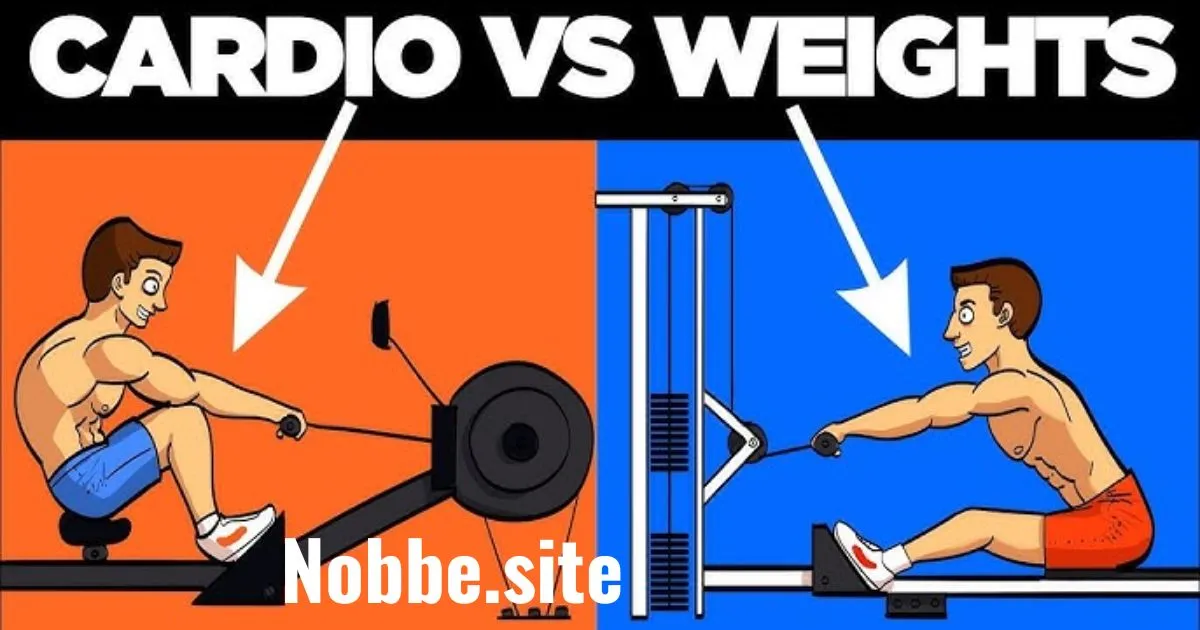
When it comes to dropping body fat, the debate between cardio and weight training is one of the oldest in the fitness world. For decades, the standard advice was simple: if you want to lose fat, spend hours on the treadmill; if you want to build muscle, hit the heavy weights.
However, sports science has evolved significantly. We now know that fat loss is much more dynamic than just sweating out miles on a track.
If you want to maximize your time in the gym and melt away stubborn fat, you need to understand exactly how cardio and weight lifting impact your body differently. Let’s break down the science behind both to find out which one truly wins the fat-loss crown.
The Case for Cardio: High Calories Burned During Exercise
Cardiovascular exercise—like running, cycling, swimming, or using the elliptical—is the traditional go-to for weight loss. The reason is simple: it burns a high number of calories per minute while you are actively doing it.
Instant Calorie Burn
If you weigh 160 pounds (about 73 kg) and jog at a moderate pace for 30 minutes, you will burn roughly 250 to 300 calories. If you spend that same 30 minutes lifting weights with normal rest periods, you might only burn around 130 to 180 calories.
Accessibility and Heart Health
Cardio is highly accessible and requires minimal equipment. Beyond fat loss, it strengthens your heart, improves lung capacity, and enhances stamina. It directly creates a calorie deficit—the absolute prerequisite for fat loss, where you expend more energy than you consume.
However, standard steady-state cardio has a major limitation: once you step off the treadmill, the calorie-burning stop button is pressed.
The Case for Weights: The “Afterburn” and Muscle Math
Weight training (resistance or strength training) might not burn as many raw calories minute-for-minute during the actual workout, but it possesses two secret weapons that cardio completely lacks: EPOC and metabolic rate optimization.
As shown in the data above, while cardio options like the treadmill or elliptical can burn slightly more calories during the session, weight training triggers a massive surge in calories burned 24 to 48 hours after you finish exercising.
1. Excess Post-Exercise Oxygen Consumption (EPOC)
Intense resistance training creates micro-tears in your muscle fibers. Your body has to work incredibly hard over the next 24 to 48 hours to repair these fibers, synthesize proteins, and restore oxygen levels. This process requires energy. This phenomenon is known as EPOC (Excess Post-Exercise Oxygen Consumption), commonly called the “afterburn effect.” You are quite literally burning extra fat while sitting on your couch or sleeping.
2. Boosting Your Resting Metabolic Rate (RMR)
Muscle tissue is metabolically active, meaning it requires energy just to exist. Fat tissue, on the other hand, is mostly dormant storage.
-
Every pound of muscle you gain burns roughly 6 calories per day at rest.
-
Every pound of fat only burns about 2 calories per day.
By lifting weights and building lean muscle mass, you permanently increase your Resting Metabolic Rate (RMR). You turn your body into a highly efficient, fat-burning furnace around the clock.
Body Composition vs. Scale Weight
This is where the debate gets critical. If you only focus on cardio, you will lose weight, but a significant percentage of that weight loss (up to 25%) will come from lean muscle tissue alongside the fat. This can lead to a “skinny-fat” appearance, where you look smaller but your body fat percentage remains relatively high.
Weight training ensures that the weight you drop is purely fat, not muscle. It shapes, tones, and tightens your physique, giving you a lean, athletic build.
| Feature | Cardio Training | Weight Training |
| Calories Burned During Workout | High | Moderate |
| Calories Burned After Workout (EPOC) | Low | High (Up to 48 hours) |
| Effect on Muscle Mass | Can decrease if overdone | Increases or preserves |
| Long-term Metabolism Boost | Minimal | High (Permanent RMR increase) |
| Primary Physical Outcome | Smaller version of current shape | Toned, sculpted, athletic shape |
The Ultimate Winner: Concurrent Training
So, which is better? The truth is, choosing one over the other is a sub-optimal strategy. The ultimate weapon for fat loss is a combination of both, known in sports science as concurrent training.
Instead of trying to choose between them, structure your weekly routine to capitalize on the benefits of both worlds:
-
Prioritize Strength First: Lift weights 3 to 4 times a week. Focus on compound movements (squats, deadlifts, rows, overhead presses) that recruit multiple large muscle groups simultaneously to maximize EPOC.
-
Layer in Cardio Second: Add 2 to 3 sessions of cardio per week. For maximum fat loss in minimal time, try High-Intensity Interval Training (HIIT)—alternating short bursts of maximum effort with brief recovery periods. HIIT offers a high calorie burn during the workout and triggers a strong EPOC effect.
-
Control the Kitchen: No amount of exercise can outrun a bad diet. Pair your workout routine with a modest caloric deficit and a high-protein diet to provide the building blocks your muscles need to repair and grow.
By combining the immediate calorie-crushing power of cardio with the long-term metabolic enhancements of weight training, you won’t just lose weight—you will fundamentally transform your body composition and keep the fat off for good.