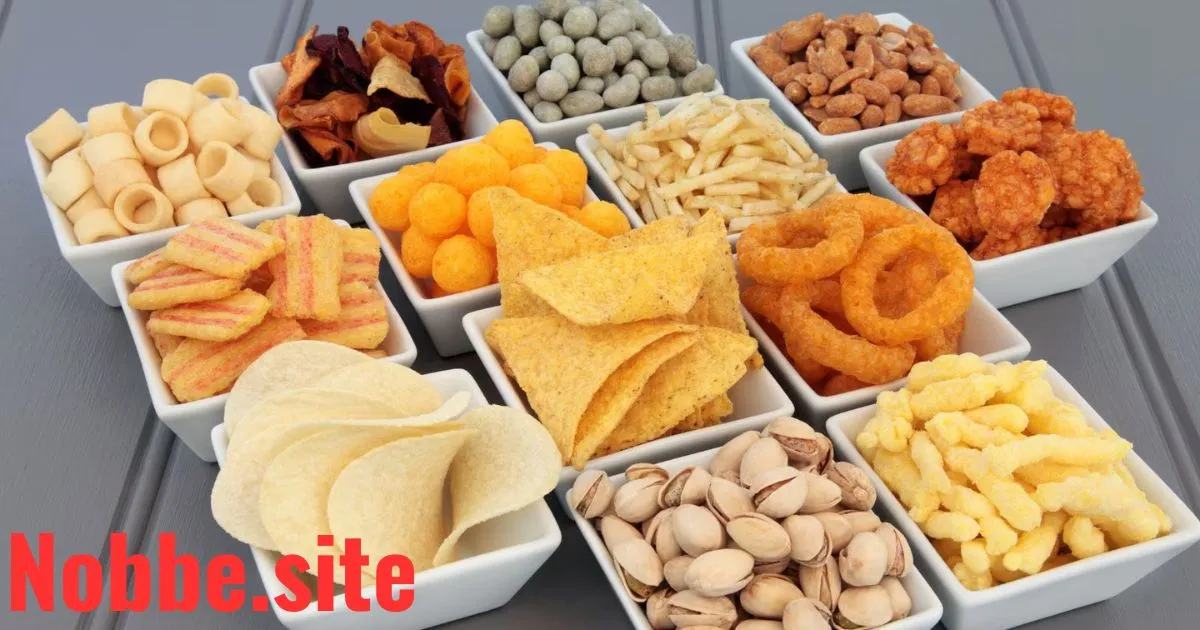
We’ve all been there. It’s 3:00 PM, you’re staring at your computer screen, and suddenly, the only thing you can think about is a bag of potato chips or a chocolate bar. Cravings are powerful, but giving in to highly processed, sugar-laden snacks usually leads to a quick energy spike followed by an inevitable crash.
The secret to crushing your appetite isn’t starving yourself; it’s choosing foods that combine protein, healthy fats, and fiber. This powerful trio stabilizes blood sugar and signals to your brain that you are full.
If you want to stay on track with your fitness goals without sacrificing flavor, here are 10 healthy snacks to stop cravings instantly.
1. Greek Yogurt with Chia Seeds
When you are craving something creamy and sweet, reach for plain Greek yogurt instead of ice cream. Greek yogurt is packed with protein, which takes longer to digest and keeps you full. Top it with a teaspoon of chia seeds. These tiny powerhouses expand in your stomach, adding a dose of healthy omega-3 fatty acids and extra fiber to shut down hunger pangs fast.
2. Apple Slices with Peanut Butter
This classic duo is a powerhouse for stopping sugar cravings. Apples provide a natural, crisp sweetness along with dietary fiber. Pairing them with a tablespoon of natural peanut butter (or almond butter) adds healthy fats and protein. The combination slows down the absorption of sugar into your bloodstream, keeping your energy stable.
3. A Handful of Mixed Nuts
If you have a salt craving, skip the chips and grab a handful of almonds, walnuts, or pistachios. Nuts are incredibly nutrient-dense, offering a perfect balance of plant-based protein, fiber, and heart-healthy fats. Just be mindful of portion size—about one ounce (a small handful) is enough to satisfy your hunger without overdoing the calories.
4. Roasted Chickpeas
Craving that crunchy, savory texture of junk food? Roasted chickpeas are the ultimate substitute. You can buy them pre-made or roast them at home with a drizzle of olive oil, sea salt, and smoked paprika. They are loaded with complex carbohydrates and fiber, making them an excellent choice for sustained afternoon energy.
5. Cottage Cheese with Pineapple
Cottage cheese is an unsung hero in the health world. It is incredibly high in casein protein, a slow-digesting protein that provides a steady release of amino acids to your muscles. Adding a few chunks of fresh pineapple gives you that sweet-and-savory fix while delivering digestive enzymes to help beat bloat.
6. Avocado on Whole-Grain Toast
Sometimes a craving is just your body asking for healthy fats. Half an avocado mashed onto a slice of toasted whole-grain bread is a savory, deeply satisfying snack. Avocados are rich in monounsaturated fats and fiber, which actively turn off hunger hormones. Sprinkle a little “Everything Bagel” seasoning on top for an extra burst of flavor.
7. Edamame (Steamed Soybeans)
Edamame is a fantastic, low-calorie snack that satisfies the urge to mindfully munch. A single cup of steamed edamame contains around 18 grams of protein and 8 grams of fiber. Toss them with a little sea salt or chili flakes. The act of shelling them also forces you to eat slower, giving your brain time to realize it’s full.
8. Dark Chocolate and Almonds
Yes, you can eat chocolate to stop a craving! The trick is opting for dark chocolate with at least 70% cocoa content. Dark chocolate contains intense flavors and antioxidants that satisfy a sweet tooth much faster than milk chocolate. Pair one or two squares with a few almonds to add protein and fat, ensuring you won’t be looking for another snack 10 minutes later.
9. Hummus and Cucumber Slices
If you want something refreshing and crunchy, swap out crackers for thick slices of cucumber or bell peppers, and dip them in hummus. Hummus is made from chickpeas and tahini, providing a smooth texture rich in fiber and protein. This low-glycemic snack keeps your blood sugar perfectly level.
10. Hard-Boiled Eggs
When you need an absolute emergency hunger-crusher, a hard-boiled egg is your best friend. At just around 70 calories, a single egg provides high-quality protein and essential vitamins. Keep a few pre-boiled eggs in your fridge for those moments when a craving strikes out of nowhere and you need an instant, no-effort fix.
Why Do We Get Cravings?
Understanding your body can help you manage your appetite better. Often, cravings are triggered by:
-
Dehydration: The brain can easily mistake thirst for hunger. Try drinking a glass of water first.
-
Lack of Sleep: Poor sleep increases ghrelin (the hunger hormone) and decreases leptin (the fullness hormone).
-
Stress: High stress releases cortisol, which makes you crave comfort foods high in sugar and fat.
The Bottom Line
Pro Tip: Don’t wait until you are absolutely starving to eat. Keep these healthy options visible in your fridge or pantry so you can make the right choice the moment a craving hits.
By replacing processed snacks with these nutrient-dense alternatives, you can satisfy your tastebuds, boost your metabolism, and stay energized all day long.