Imagine having 20/20 vision, reading the smallest line on a chart without a squint, and navigating your day with crystal-clear focus. You would assume your eyes are in perfect health, right?
Unfortunately, that is one of the most common misconceptions about eye care.
Clear vision does not automatically equal healthy eyes. While a vision screening checks how well you see, a comprehensive eye exam evaluates the actual health of your visual system. Here is why scheduling an annual eye exam is absolutely crucial, even if you think your eyesight is flawless.
1. The “Silent Thieves” of Sight
The most compelling reason to visit an optometrist or ophthalmologist every year is that many blinding eye diseases have zero early warning signs. They do not cause pain, and they do not blur your vision until significant, often irreversible damage has already occurred.
-
Glaucoma: Frequently called the “silent thief of sight,” glaucoma is caused by a buildup of internal eye pressure that damages the optic nerve. It sneaks up on your peripheral (side) vision first. Because your brain compensates for the gradual loss, you won’t notice a change until the disease is highly advanced.
-
Macular Degeneration: This condition affects the macula—the part of the retina responsible for sharp, central vision. Early stages are completely asymptomatic, but early detection can prevent severe vision loss later in life.
-
Diabetic Retinopathy: High blood sugar can subtly damage the tiny blood vessels in your retina. You might see perfectly fine while these vessels are leaking fluid or blood into the eye, making regular checks vital for early intervention.
2. Your Eyes are a Window to Your Systemic Health
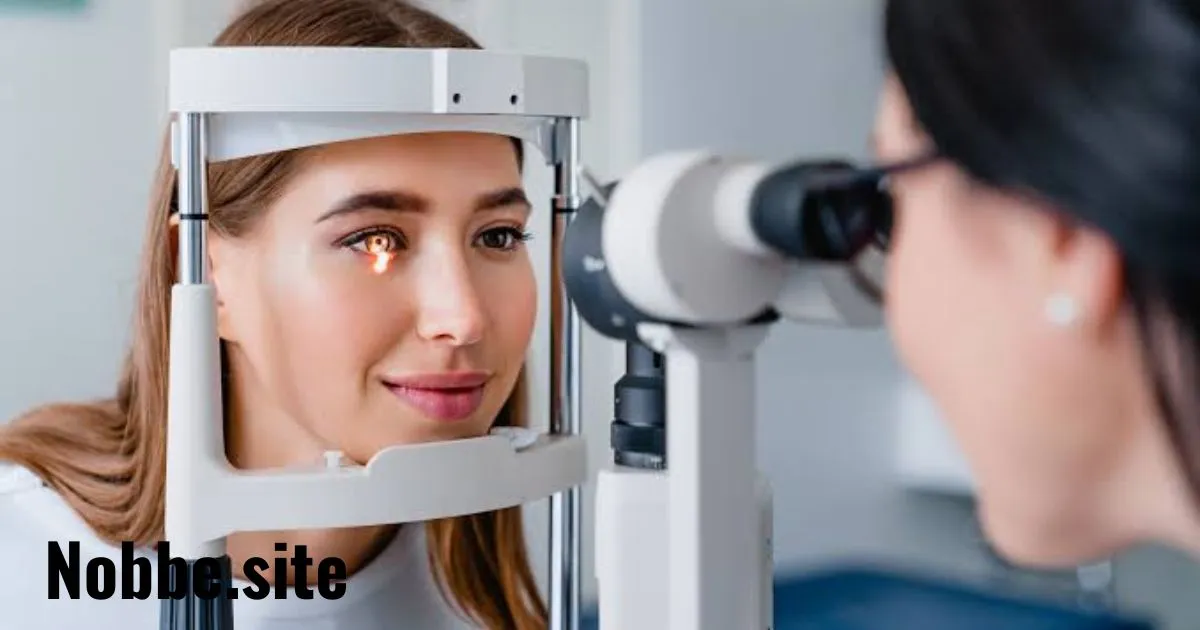
Did you know an eye doctor is often the first healthcare professional to detect chronic, systemic health conditions? During a comprehensive exam, the doctor looks directly at your blood vessels, nerves, and tissues without surgery.
Changes in the blood vessels of the retina can reveal hidden health issues long before they show up in standard medical checkups.
| Condition | What the Eye Doctor Sees |
| High Blood Pressure | Narrowing, leaking, or bending of the retinal blood vessels. |
| Diabetes | Microaneurysms, tiny hemorrhages, or leaking fluids in the retina. |
| High Cholesterol | A yellowish ring around the cornea or plaque buildup in retinal arteries. |
| Autoimmune Diseases | Inflammation of the optic nerve or uvea, signaling conditions like Lupus or MS. |
By getting your eyes checked yearly, you are not just protecting your vision—you are keeping tabs on your entire body.
3. The Rising Toll of Digital Eye Strain
Even if you do not need corrective lenses to see across the room, modern life forces our eyes to work incredibly hard. The average professional spends upwards of seven to ten hours a day looking at digital screens—whether it is a smartphone, a laptop, or a television.
This prolonged exposure leads to Digital Eye Strain (also known as Computer Vision Syndrome). Symptoms include:
-
Chronic dry, gritty, or burning eyes
-
Frequent tension headaches
-
Unexplained neck and shoulder pain
-
Intermittent blurred vision
During an annual exam, your doctor can assess how your eyes focus together at close range. They can recommend specialized solutions, such as blue-light filtering lenses or anti-fatigue prescriptions, to dramatically reduce daily discomfort and improve your productivity.
4. Vision Changes Are Subtle and Gradual
Human brains are remarkably adaptive. When vision deteriorates slowly over months or years, your brain compensates for the deficit, making the change nearly imperceptible to you.
You might think you see perfectly, but an eye exam might reveal that one eye is working significantly harder than the other, or that your night vision has degraded. Correcting even a minor, unnoticed tracking or focusing issue can significantly reduce daily fatigue and prevent long-term strain.
Conclusion: Prevention is the Best Prescription
Waiting until your vision blurs to see an eye doctor is like waiting for a engine failure to change your car’s oil.
A yearly comprehensive eye exam is a quick, painless, and highly proactive investment in your long-term quality of life. It ensures that “clear vision” isn’t just an illusion masking an underlying issue. Don’t wait for symptoms to appear—schedule your annual checkup today and give your eyes the protection they deserve.