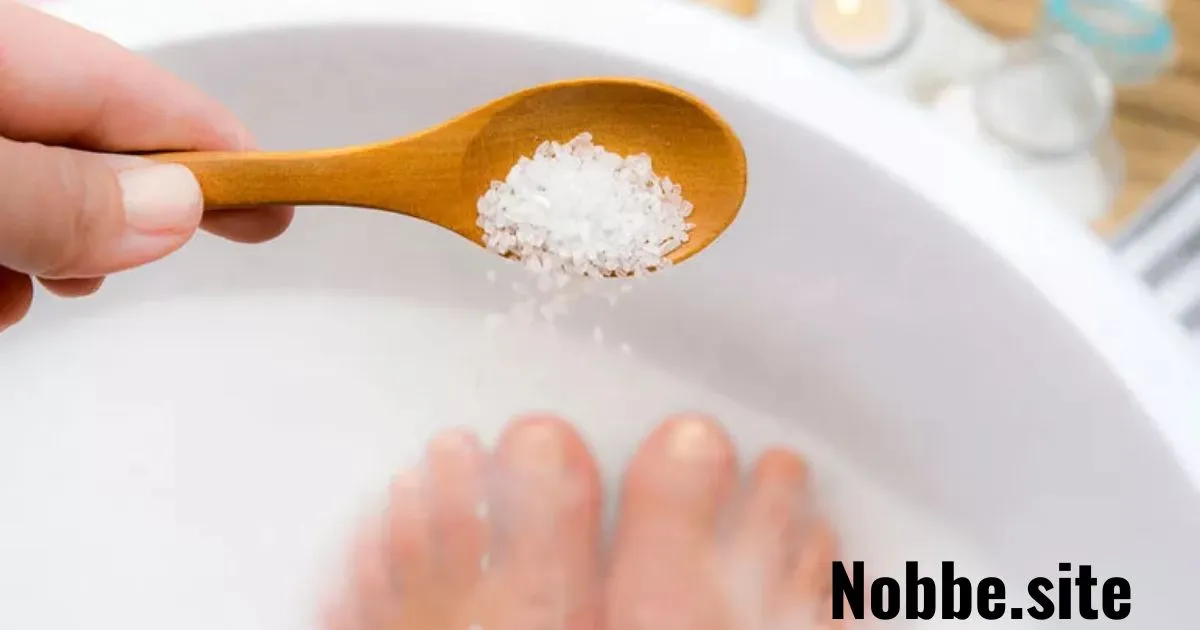
Whether you have just finished an intense weightlifting session, completed a grueling long-distance run, or spent the entire day hunched over a desk, muscle soreness is an uncomfortable reality. While there are countless recovery tools on the market—ranging from high-tech massage guns to freezing ice baths—one of the most effective, time-tested remedies is sitting right in your bathroom cabinet: Epsom salt.
Soaking in a warm Epsom salt bath is a classic post-workout ritual. But why exactly is this simple remedy so incredibly effective for tight, aching muscles? Let’s dive into the science behind Epsom salt and how it accelerates muscle recovery.
What is Epsom Salt? (The Science Behind the Soak)
Despite its name, Epsom salt isn’t actually salt at all—at least not the kind you put on your food. Named after a bitter saline spring in Epsom, Surrey, England, where it was discovered, it is a naturally occurring mineral compound known chemically as magnesium sulfate.
When you dissolve Epsom salt in warm water, it breaks down into two primary components:
-
Magnesium: A vital mineral that regulates over 300 biochemical reactions in the human body, including muscle and nerve function.
-
Sulfate: A mineral that aids in protein synthesis, joint health, and natural detoxification pathways.
How Epsom Salt Baths Relieve Muscle Soreness
The magic of an Epsom salt bath lies in the powerful combination of warm water therapy and mineral absorption. Here is exactly how it targets and alleviates muscle pain:
1. Delivery of Essential Magnesium
Magnesium is a natural calcium blocker, which is essential for helping your muscles relax. When your body is low on magnesium, calcium builds up in your muscle fibers, causing them to contract abnormally—leading to painful cramps, spasms, and lingering tightness. Soaking in a magnesium-rich bath allows the body to absorb the mineral, encouraging muscle fibers to release tension.
2. Reduction of Inflammation and Swelling
Post-exercise muscle soreness—often called Delayed Onset Muscle Soreness (DOMS)—is caused by microscopic tears in your muscle fibers, which lead to localized inflammation. The sulfate and magnesium in Epsom salt work together to draw out excess fluid and toxins from body tissues, noticeably reducing swelling, puffiness, and the deep aches associated with intense physical exertion.
3. Flushing Out Lactic Acid
During high-intensity workouts, your body breaks down carbohydrates for energy, producing lactic acid as a byproduct. A buildup of lactic acid can contribute to that heavy, burning sensation in your limbs. The thermal energy of a warm bath increases blood circulation, while the dissolved minerals help flush out metabolic waste, including lactic acid, from your muscle tissue.
4. Nervous System Regulation and Stress Relief
Physical stress triggers the release of cortisol (the stress hormone), which can tighten muscles and delay recovery. Magnesium plays a critical role in the production of serotonin—the chemical in your brain that promotes relaxation and well-being. By soothing your nervous system, an Epsom salt bath reduces overall physical stress, allowing your body to dedicate its energy entirely to repairing damaged muscle tissue.
The Ultimate Epsom Salt Bath Routine for Recovery
To get the absolute maximum therapeutic benefit from your soak, follow this step-by-step recovery routine:
Pro-Tips for an Enhanced Recovery Soak
-
Add Essential Oils: Boost the anti-inflammatory power of your bath by adding 5–10 drops of lavender oil (for relaxation) or peppermint oil (for a cooling, analgesic effect on sore muscles). Always mix the essential oils into the dry salt before adding it to the water to ensure proper distribution.
-
Frequency Matters: For chronic tightness or during heavy training phases, aim for 2 to 3 Epsom salt baths per week.
-
Listen to Your Body: If you have severe open wounds, skin infections, or severe cardiovascular issues, consult your doctor before incorporating regular hot baths into your regimen.
Final Thoughts
You don’t need a massive budget or expensive wellness gadgets to recover like an elite athlete. An Epsom salt bath remains one of the most accessible, biologically efficient, and deeply relaxing ways to combat muscle soreness. By supplying your body with critical magnesium, reducing localized inflammation, and forcing your nervous system into a state of rest, this simple evening ritual ensures you can hit your next workout or workday feeling entirely refreshed.