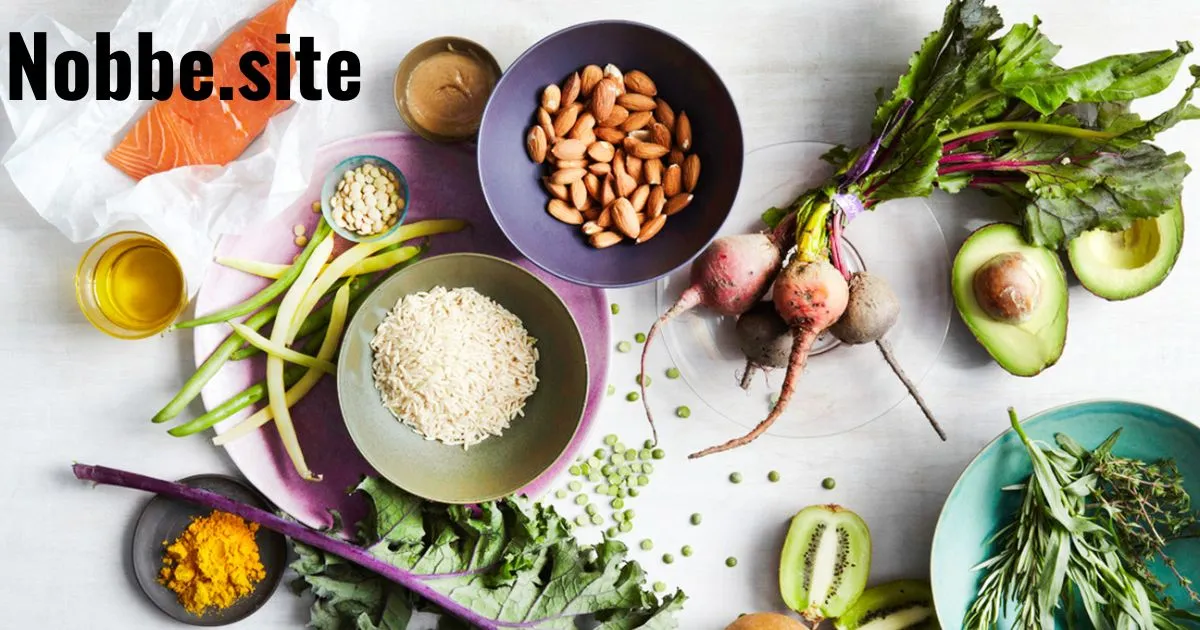
Switching to a plant-based lifestyle is one of the best decisions you can make for your health, environment, and wallet. However, many beginners run into a frustrating roadblock during the first few weeks: a sudden, lingering crash in energy levels.
If you are feeling sluggish after cutting out meat, you aren’t alone. The good news? Vegetarian fatigue isn’t caused by a lack of meat—it is usually caused by a few common, easily fixable nutritional gaps.
Here is your ultimate guide on how to transition to a vegetarian diet smoothly, maintain vibrant energy, and feel better than ever.
1. Track Your Calories (Don’t Accidentally Starve Your Body)
The number one reason new vegetarians feel tired is simple: under-eating.
Meat is incredibly calorie-dense. When you remove a chicken breast or a beef patty from your plate and replace it with a simple green salad, you are drastically cutting your caloric intake. Volume-wise, your plate looks full, but energy-wise, your body is running on fumes.
-
The Fix: Focus on calorie-dense plant foods. Integrate healthy fats and complex carbohydrates like avocados, nuts, seeds, sweet potatoes, and whole grains into your daily meals.
2. Prioritize Plant-Based Iron (And Pair It Wisely)
Iron is essential for producing hemoglobin, a protein that helps red blood cells carry oxygen throughout your body. When your iron drops, your energy plummets, leading to a condition known as dietary fatigue.
There are two types of iron: heme iron (found in animal products) and non-heme iron (found in plants). Non-heme iron is slightly harder for your body to absorb, which is why your strategy needs to change.
-
Eat Iron-Rich Foods: Load up on lentils, chickpeas, spinach, tofu, and pumpkin seeds.
-
The Ultimate Biohacking Trick: Always pair your iron-rich plant foods with Vitamin C. Adding a squeeze of lemon juice to your spinach or eating bell peppers with your lentils can increase iron absorption by up to 300%.
3. Don’t Overlook Vitamin B12
Vitamin B12 is crucial for nerve function and red blood cell production. Because B12 is primarily found in animal products, transitioning to a vegetarian or vegan diet means you need to find alternative sources. A deficiency in B12 is a classic shortcut to chronic fatigue and brain fog.
-
The Fix: If you still eat dairy and eggs, you will get some B12. However, to keep your energy optimal, incorporate nutritional yeast (which has a great cheesy flavor), fortified plant milks, and fortified breakfast cereals into your routine. Consider a low-dose daily B12 supplement if you plan to go entirely plant-based.
4. Master the Art of Plant-Based Protein
Protein isn’t just for building muscle; it plays a massive role in stabilizing your blood sugar levels. When people drop meat, they often rely too heavily on simple carbohydrates like pasta, white rice, and bread. This causes rapid blood sugar spikes followed by severe energy crashes.
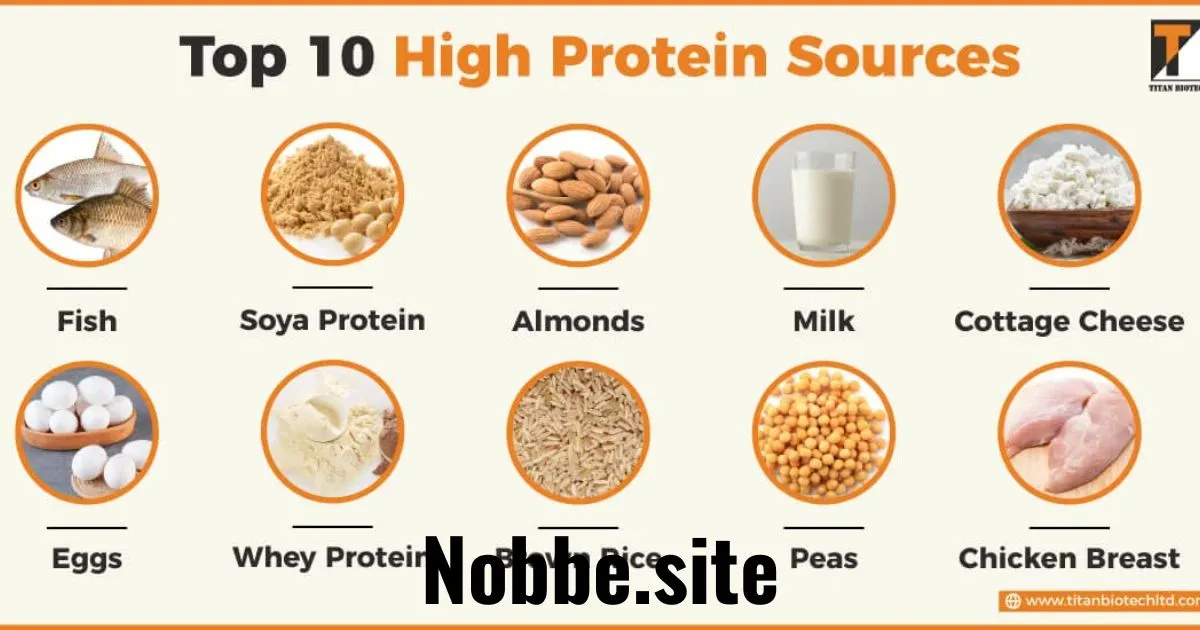
To keep your energy levels steady throughout the day, you need clean, plant-based protein at every meal.
| Vegetarian Protein Source | Average Protein Content |
| Lentils (Cooked) | ~18 grams per cup |
| Chickpeas / Black Beans | ~15 grams per cup |
| Tofu / Tempeh | ~15-20 grams per 3 oz |
| Greek Yogurt (If consuming dairy) | ~15-20 grams per cup |
5. Keep an Eye on Hydration and Electrolytes
When you change your diet, your fiber intake naturally skyrockets. Fiber is incredible for your gut health, but it requires plenty of water to move smoothly through your digestive system. If you increase fiber without increasing your water intake, your digestion slows down, leaving you feeling heavy, bloated, and lethargic.
-
The Fix: Drink at least 2 to 3 liters of water daily. If you are active, consider adding a pinch of sea salt or an electrolyte tablet to your water during the first week to keep your minerals balanced.
Summary Checklist for a Fatigue-Free Transition
To ensure you don’t feel tired while going vegetarian, build your meals using this simple checklist:
-
[ ] Is there a clean protein? (Beans, lentils, tofu, eggs)
-
[ ] Is there a healthy fat for sustained energy? (Olive oil, avocado, nuts)
-
[ ] Did I include Vitamin C with my iron? (Bell peppers, citrus, tomatoes)
-
[ ] Am I drinking enough water throughout the day?
Listen to Your Body: A transition period of 7 to 10 days is completely normal as your gut microbiome adjusts to a higher fiber intake. Give yourself grace, sleep well, and focus on crowding out meat with nutrient-dense plants rather than just cutting things out.