Walking down the grocery store aisle can feel like navigating a minefield. Bright packaging, bold claims like “all-natural,” and confusing fine print are all designed to do one thing: get you to buy. But if you want to take control of your health, you need to look past the marketing fluff on the front of the box and flip it over.
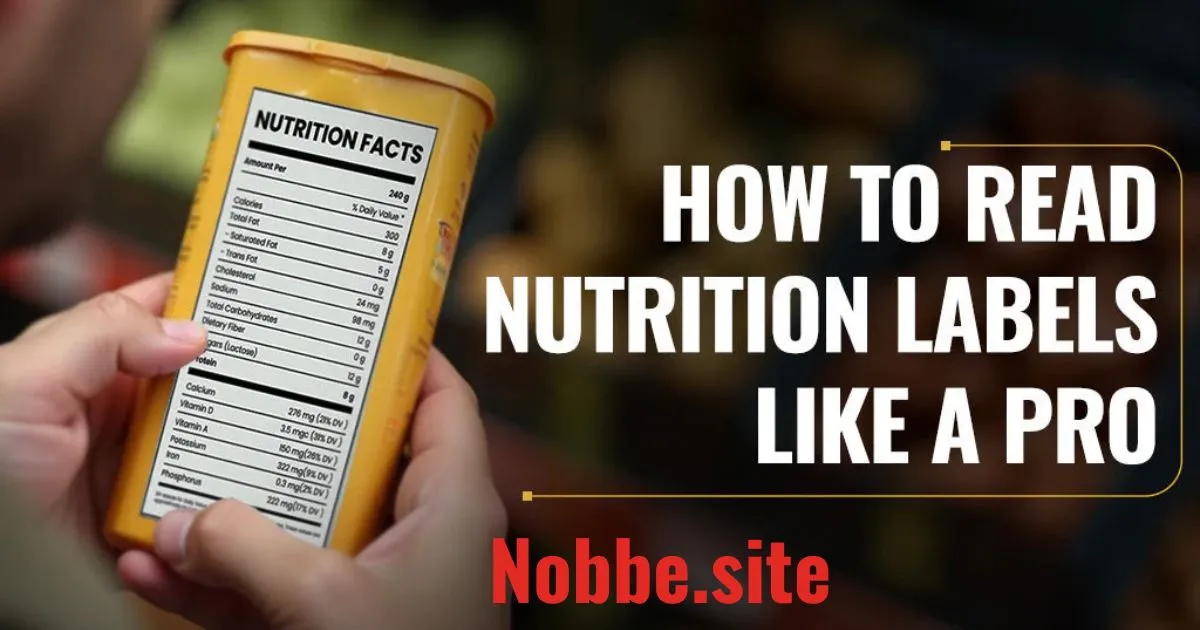
Learning how to read nutrition labels is the ultimate health superpower. Here is your ultimate guide to decoding the Nutrition Facts label like a pro and avoiding the clever traps food manufacturers set for you.
1. The Serving Size Trick: The Ultimate Trap
Before you look at the calories or the sugar content, your eyes must always land on the Serving Size and Servings Per Container first. This is where most people get tripped up.
Food companies often list unrealistically small serving sizes to make the product look healthier than it is. For example, a standard bottle of iced tea or a small bag of chips might look like a single serving, but the label might state it contains “2.5 servings.”
The Fix: If you plan on eating the whole bag or drinking the whole bottle, you have to multiply every single number on that label (calories, sugar, sodium) by the actual number of servings you consume.
2. Check the Total Calories
Calories measure how much energy you get from a serving of food. While counting calories isn’t everything, tracking your overall intake is crucial for weight management.
As a general rule of thumb for a standard 2,000-calorie daily diet:
-
Low calories: 40 calories or less per serving
-
Moderate calories: 100 calories per serving
-
High calories: 400 calories or more per serving
3. Limit the “Bad” Stuff: Sodium, Saturated Fat, and Trans Fat
To protect your cardiovascular health and manage your blood pressure, you want to keep these three metrics as low as possible:
-
Saturated Fat: High intake is linked to elevated cholesterol levels. Look for foods with minimal saturated fat.
-
Trans Fat: This is artificial fat that lowers your good cholesterol and raises your bad cholesterol. The goal here is simple: 0 grams. Even if the label says “0g,” check the ingredient list for “partially hydrogenated oils”—if it’s there, it contains hidden trans fats.
-
Sodium: Excess sodium can lead to high blood pressure. Aim for foods that contain less than 140 milligrams of sodium per serving (classified as low sodium).
4. Spot the Hidden Danger: Added Sugars
For years, the total sugar count was the only metric available. Thankfully, modern nutrition labels now break down Total Sugars and Added Sugars.
Natural sugars (like those found in fruit or milk) come packaged with vitamins and fiber. Added sugars, however, are introduced during processing and offer empty calories that cause blood sugar spikes.
5. Fuel Up on the Good Stuff: Fiber, Protein, and Vitamins
Look for foods that are rich in nutrients that support digestion, muscle synthesis, and cellular repair. You want to see higher numbers for:
-
Dietary Fiber: Essential for gut health and keeping you full. Aim for at least 3 grams per serving.
-
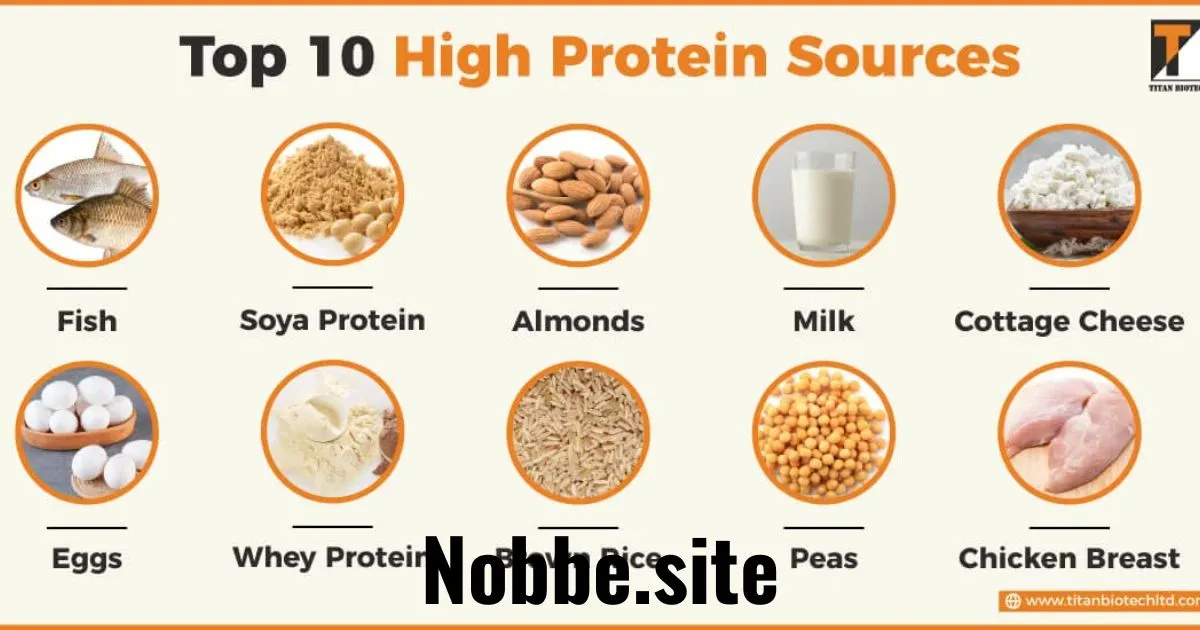
Protein: Keeps you satiated and protects lean muscle mass.
-
Vitamins & Minerals: Look out for Vitamin D, Calcium, Iron, and Potassium, as these are nutrients many people lack in their daily diets.
6. Master the % Daily Value (%DV) Rule
The % Daily Value (%DV) column tells you how much a nutrient in a serving of food contributes to a standard daily diet of 2,000 calories. It is the fastest way to see if a food is high or low in a specific nutrient without guessing.
You don’t need a math degree to use it; just remember the 5/20 Rule:
-
If a nutrient has 5% DV or less, it is LOW in that nutrient. (Great for sodium and saturated fat!)
-
If a nutrient has 20% DV or more, it is HIGH in that nutrient. (Great for fiber, protein, and vitamins!)
Common Marketing Traps to Avoid
Don’t let the front-of-package buzzwords fool you. Here are the top three traps to ignore:
-
“Made with Whole Grains”: This often means the food contains a tiny fraction of whole grains mixed with mostly refined white flour. Look for “Whole wheat” or “Whole oats” as the very first ingredient.
-
“Fat-Free” or “Low-Fat”: When manufacturers strip fat out of a product, it usually loses its flavor. To fix this, they typically pump the food full of sugar and chemical thickeners.
-
“No Sugar Added”: This does not mean sugar-free. The product can still be incredibly high in natural sugars (like fruit juices or concentrates) that impact your insulin levels the same way artificial sugar does.