
Why Are Chemicals Avoided in Organic Farming?
Organic farming is a method of growing crops and raising livestock that prioritizes natural processes and ecological balance over synthetic chemicals. One of the core principles of organic farming is avoiding chemicals—fertilizers, pesticides, herbicides, and growth regulators. But why is this such a central rule? Let’s break it down.
In simple terms:
Chemicals are avoided in organic farming to protect human health, preserve soil fertility, support biodiversity, and maintain sustainable agricultural practices.
1. Protecting Human Health
Synthetic chemicals used in conventional farming can leave residues on food, which may accumulate in the body over time. Avoiding these chemicals in organic farming:
- Reduces exposure to harmful substances
- Prevents potential long-term health risks, including hormonal disruptions and chronic illnesses
- Ensures cleaner, safer fruits, vegetables, and grains for consumption
Key Fact: Studies show that organic produce often contains fewer pesticide residues compared to conventionally grown crops.
2. Preserving Soil Health
Chemical fertilizers and pesticides can disrupt the natural soil ecosystem:
- Synthetic fertilizers may strip soil of organic matter and micronutrients
- Pesticides can kill beneficial microorganisms essential for nutrient cycling
- Continuous chemical use can lead to soil acidification and long-term degradation
Organic farming avoids chemicals to:
- Maintain healthy soil microbiomes
- Improve soil structure, water retention, and fertility naturally
- Support sustainable, long-term crop productivity
3. Supporting Biodiversity
Chemical use in conventional farming can negatively affect local ecosystems:
- Insects, birds, and pollinators may be harmed by pesticides
- Soil-dwelling organisms like earthworms can be killed, reducing soil health
- Water bodies may become contaminated with chemical runoff, affecting aquatic life
By avoiding chemicals, organic farming:
- Encourages beneficial insects and wildlife
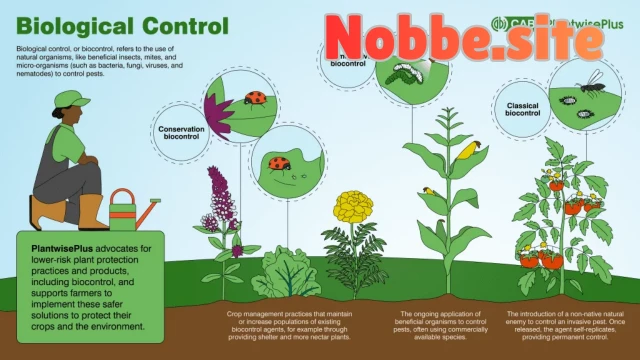
- Supports pollination and natural pest control
- Maintains ecological balance within and around the farm
4. Reducing Environmental Pollution
Synthetic chemicals can contaminate:
- Groundwater and rivers through runoff
- Soil with non-biodegradable residues
- Air via chemical drift from spraying
Organic farming practices reduce these risks by using compost, natural pest controls, and crop rotation instead of synthetic chemicals.
5. Enhancing Food Quality and Nutrition
Avoiding chemicals contributes to healthier, nutrient-rich food:
- Organic crops often contain higher levels of antioxidants and vitamins
- Produce is grown naturally, allowing plants to develop fully without artificial growth accelerators
- Livestock raised without antibiotics and synthetic growth hormones produce healthier meat and dairy
6. Long-Term Sustainability
Organic farming avoids chemicals to ensure that agriculture remains sustainable for future generations:
- Protects natural resources like soil, water, and biodiversity
- Reduces dependency on non-renewable chemical inputs
- Promotes a circular, regenerative approach where waste is recycled as compost
7. Summary
Chemicals are avoided in organic farming because:
- They can harm human health through residue exposure
- They degrade soil fertility and destroy beneficial organisms
- They threaten biodiversity and ecosystems
- They pollute water, air, and soil
- They reduce long-term sustainability of food production
In short, avoiding chemicals is not just a rule—it is the foundation of safe, sustainable, and environmentally friendly agriculture.
FAQs About Chemicals in Organic Farming
1. Can organic farming ever use chemicals?
Only natural, non-synthetic inputs like compost, biofertilizers, and botanical pesticides are allowed. Synthetic chemicals are strictly prohibited.
2. Why is avoiding chemicals better for the environment?
It prevents soil degradation, water contamination, and harm to wildlife, supporting long-term ecological balance.
3. Do crops grow slower without chemicals?
Sometimes growth is slower, but the result is healthier, nutrient-rich crops that sustain soil fertility.
4. Can livestock in organic farming be treated with antibiotics?
Antibiotics are only used when necessary for animal health, not for growth promotion, and there are strict withdrawal periods before the product can be sold as organic.
5. Does avoiding chemicals increase farming costs?
Organic farming may require more labor and management, but it reduces long-term soil and environmental costs, making it sustainable and profitable over time.