When you think about heart disease prevention, things like managing blood pressure, cutting down on saturated fats, and hitting the gym usually come to mind. Brushing and flossing your teeth, however, are rarely viewed as life-saving cardiovascular habits.
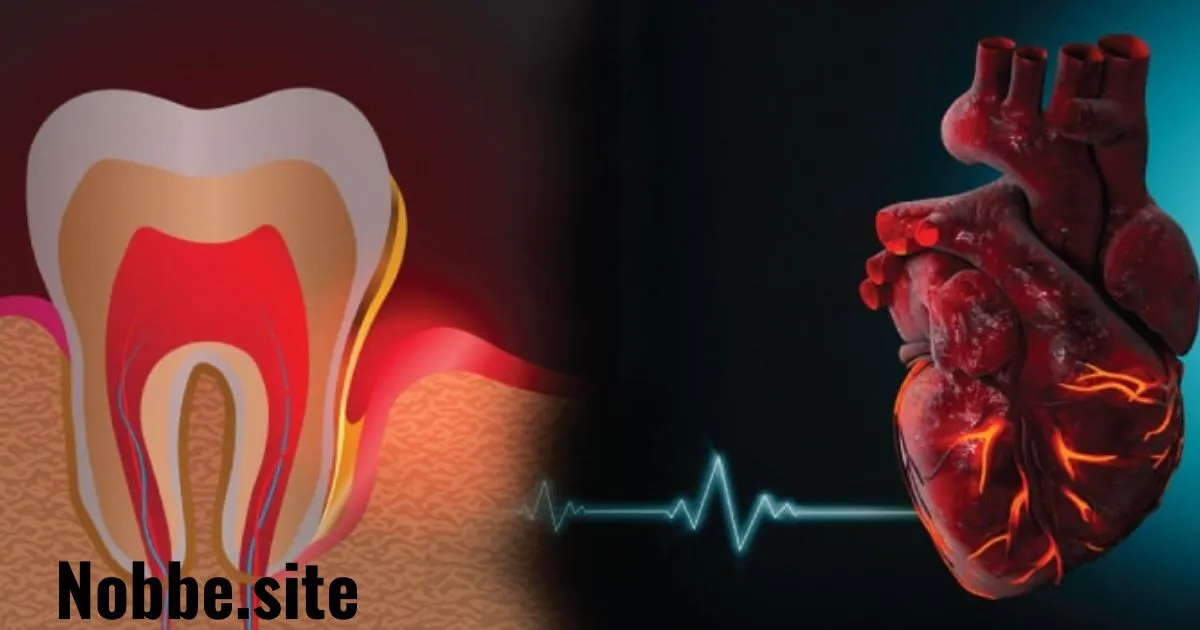
Yet, emerging medical research shows a profound, undeniable connection between your mouth and your cardiovascular system. What happens in your gums doesn’t stay in your gums—it directly impacts your heart.
Here is a deep dive into the biological mechanisms connecting dental hygiene to heart health and how a solid oral routine can protect your life.
The Biological Link: How Gum Disease Reaches the Heart
To understand the connection, we have to look at periodontal disease (severe gum disease). Periodontal disease begins when plaque—a sticky film of bacteria—builds up along the gumline. If left untreated, it causes the gums to pull away from the teeth, creating deep pockets where dangerous bacteria thrive.
The real trouble starts when these oral bacteria enter your bloodstream.
Every time you chew, brush, or floss with inflamed, bleeding gums, microscopic tears allow oral bacteria like Porphyromonas gingivalis to escape into the circulatory system. Once inside your bloodstream, these pathogens travel straight to your heart and blood vessels.
3 Critical Ways Poor Oral Hygiene Harms Your Cardiovascular System
The journey of oral bacteria through your blood vessels sets off a chain reaction that directly threatens your heart health. Doctors isolate three primary pathways where this damage occurs:
1. Chronic Systemic Inflammation
When oral bacteria enter the blood, your body’s immune system responds by triggering inflammation. While acute inflammation helps heal a cut, chronic (long-term) inflammation is incredibly destructive. Systemic inflammation damages the inner lining of your blood vessels, making them more susceptible to injury and plaque buildup.
2. Accelerated Atherosclerosis (Artery Clogging)
Atherosclerosis is the hardening and narrowing of the arteries caused by the buildup of fatty plaques. Research has actually discovered DNA from oral bacteria physically embedded within these arterial plaques. Medical experts believe that the presence of oral bacteria in the arteries irritates the vessel walls, causing fatty deposits to accumulate much faster. As these plaques grow, they restrict blood flow to the heart.
3. Increased Risk of Blood Clots and Stroke
Oral bacteria can act as a catalyst for blood clotting. When bacteria attach to arterial walls, they cause blood platelets to clump together. If one of these clots breaks free or completely blocks an artery leading to the heart, it triggers a heart attack. If it blocks an artery leading to the brain, it causes an ischemic stroke.
What the Research Says: The Startling Statistics
The link between oral health and cardiovascular issues is backed by heavy epidemiological data.
According to Harvard Medical School publications, people with chronic gum disease have a two to three times higher risk of experiencing a major adverse cardiac event, such as a heart attack or stroke.
Furthermore, the American Heart Association (AHA) has recognized that periodontal disease is an independent risk factor for atherosclerotic vascular disease. While poor oral health may not directly cause heart disease on its own, it significantly accelerates and worsens the condition alongside traditional risk factors like smoking, genetics, and poor diet.
Red Flags: Is Your Mouth Putting Your Heart at Risk?
Gum disease often develops silently, without causing significant pain in its early stages. Keep an eye out for these warning signs that indicate a bacterial buildup requiring immediate attention:
-
Bleeding during brushing or flossing: Healthy gums should never bleed during normal cleaning.
-
Persistent bad breath (halitosis): A constant bad taste or odor often signals deep bacterial pockets.
-
Receding gums: Teeth that look “longer” indicate that the gums are pulling back and exposing roots.
-
Red, swollen, or tender gums: This is a classic sign of gingivitis, the earliest stage of gum disease.
A Heart-Healthy Dental Care Routine
Protecting your heart starts at the sink. Transitioning from basic brushing to a comprehensive oral hygiene regimen can actively reduce systemic inflammation and safeguard your cardiovascular system.
Conclusion: A Simple Habit for a Longer Life
Your body works as a interconnected ecosystem, not as isolated parts. Taking care of your teeth and gums is far more than a cosmetic choice or a way to avoid cavities—it is a foundational pillar of preventative cardiovascular medicine. By dedicating just a few minutes a day to rigorous oral hygiene, you aren’t just protecting your smile; you are actively protecting your heart.