When we think about staying healthy, we often focus on cardiovascular health, weight management, or glowing skin. However, there is a silent framework supporting everything we do: our skeletal system. Maintaining strong bones is a lifelong commitment, yet many people ignore it until it is too late.
As we age, our bone mineral density naturally declines. If left unchecked, this can lead to osteoporosis, a medical condition where bones become porous, brittle, and highly susceptible to fractures. The good news? Osteoporosis is largely preventable. By adopting proactive lifestyle choices today, you can protect your frame and enjoy lifelong mobility.
Here is your comprehensive, evidence-based guide on how to maintain healthy bones and prevent osteoporosis effectively.
Understanding Osteoporosis: The Silent Thief
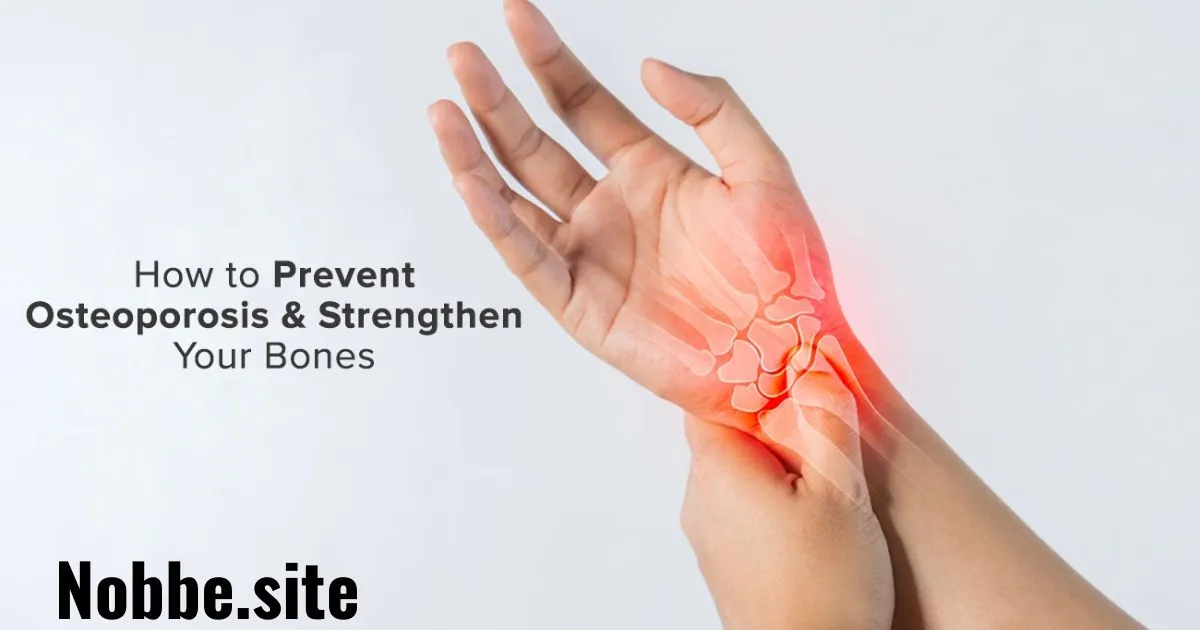
Osteoporosis is often referred to as a “silent disease” because bone loss occurs gradually without any noticeable symptoms or pain. Many individuals only discover they have it after a minor slip or fall results in a painful fracture—most commonly in the hip, spine, or wrist.
Our bones are living tissues that constantly undergo a renewal process called bone remodeling. The body continuously breaks down old bone tissue and replaces it with new bone. During childhood and young adulthood, the body creates new bone faster than it breaks down the old, reaching peak bone mass around the age of 30. After this milestone, the balance shifts, and bone resorption (breakdown) slowly begins to outpace bone formation.
For women, the risk intensifies during menopause due to a sharp drop in estrogen—a hormone that plays a critical role in preserving bone strength. However, men are also at risk as their testosterone levels decline over time.
1. Optimize Your Diet: Fueling Your Bone Matrix
To keep your bones dense and resilient, your body requires a steady supply of specific vitamins and minerals. Your dietary choices serve as the fundamental building blocks for your skeleton.
The Dynamic Duo: Calcium and Vitamin D
Calcium is the primary structural mineral found in your bones. However, your body cannot absorb calcium efficiently without the help of Vitamin D.
-
Calcium Intake: Health authorities recommend that adults aged 19 to 50 consume 1,000 mg of calcium daily. This requirement increases to 1,200 mg for women over 50 and men over 70. Excellent dietary sources include dairy products (milk, yogurt, cheese), leafy greens (kale, collard greens), fortified plant milks, and canned fish with edible bones like sardines.
-
Vitamin D Intake: Adults generally need between 600 to 800 IU (International Units) of Vitamin D daily. Your skin naturally produces Vitamin D when exposed to sunlight. You can also boost your levels by eating fatty fish (salmon, mackerel), egg yolks, and fortified foods, or by taking quality supplements under medical supervision.
Don’t Forget Protein and Micronutrients
Bones are not just made of minerals; they also contain a dense matrix of collagen, which is a protein. Ensuring adequate protein intake supports bone repair and muscle mass. Additionally, minerals like magnesium, zinc, and Vitamin K play vital supporting roles in binding calcium to the bone matrix.
2. Incorporate Weight-Bearing and Resistance Exercises
Bones respond to physical stress by growing stronger and denser. If you live a sedentary lifestyle, your body receives the signal that it doesn’t need to maintain heavy bones, leading to accelerated bone loss.
To combat this, your weekly fitness routine should include two distinct types of exercise:
-
Weight-Bearing Aerobic Activities: These are exercises where your feet and legs carry your weight against gravity. High-impact options like jogging, dancing, and hiking are fantastic for younger adults. If you need something gentler on the joints, low-impact options like brisk walking, climbing stairs, or playing tennis work incredibly well.
-
Resistance and Strength Training: Utilizing free weights, resistance bands, or your own body weight (such as push-ups and squats) forces your muscles to pull against your bones. This mechanical loading stimulates bone-building cells called osteoblasts. Aim for strength training sessions at least two to three times a week.
3. Eliminate Bone-Draining Lifestyle Habits
While adding healthy habits is crucial, eliminating destructive behaviors is equally important. Certain daily vices can actively leach nutrients from your skeletal system.
-
Quit Smoking and Vaping: Tobacco use directly interferes with calcium absorption and damages bone-building cells. Studies show that smokers have significantly lower bone density than non-smokers.
-
Moderate Alcohol Consumption: Chronic, heavy alcohol consumption disrupts the body’s calcium balance and inhibits the production of hormones that protect bones. Limit your intake to no more than one drink per day for women and two for men.
-
Maintain a Healthy Weight: Being underweight (a Body Mass Index below 19) severely reduces bone mass and increases fracture risks. Conversely, maintaining a healthy, balanced weight provides a safe amount of natural loading for your skeleton.
4. Get Screened Early: The Power of a DEXA Scan
Because osteoporosis is silent, tracking your bone density is the ultimate defensive strategy. The gold standard for measuring bone health is a DEXA (Dual-Energy X-ray Absorptiometry) scan. This quick, painless, low-radiation imaging test measures bone mineral density, typically at the hip and spine.
Medical guidelines strongly recommend a baseline DEXA scan for all women aged 65 and older, and men aged 70 and older. However, if you have underlying risk factors—such as a family history of osteoporosis, early menopause, or long-term use of corticosteroid medications—you should consult your doctor about getting screened much earlier, ideally around age 50.
The scan will provide you with a T-score:
-
-1.0 or higher: Normal bone density.
-
Between -1.0 and -2.5: Low bone density (Osteopenia), signaling a crucial window for preventive intervention.
-
-2.5 or lower: Indicates Osteoporosis, requiring proactive medical management.
Conclusion: Take Action for Your Skeleton Today
Your bones are your body’s lifetime scaffolding. While you cannot change your age or genetics, you have absolute control over your diet, physical activity, and daily lifestyle habits.
Preventing osteoporosis is not a task you delay until senior citizenship; it begins with the choices you make today. Eat a calcium-rich diet, step out into the sunlight, lift weights, and schedule a screening if you are at risk. Invest in your skeletal health now, and your body will keep you moving confidently for decades to come.