Aging is a beautiful, inevitable part of life. It brings wisdom, experience, and a deeper appreciation for the world around us. However, time also leaves its mark on our physical selves. While we cannot stop the clock, understanding how aging affects your body can empower you to take charge of your health.
With the right lifestyle choices, you can age gracefully, maintaining your vitality, sharp mind, and independence well into your golden years. Let’s explore what happens to the human body over time and the actionable steps you can take to thrive at every age.
1. The Cardiovascular System: Your Heart Over Time
As the years progress, your blood vessels and arteries naturally begin to stiffen. This changes how blood flows through your body, forcing your heart to work slightly harder to pump blood to your organs.
-
The Impact: This natural stiffening can lead to an increase in blood pressure (hypertension) and elevates the risk of cardiovascular diseases.
-
The Graceful Aging Plan: Keep your heart muscles strong by engaging in at least 150 minutes of moderate-intensity cardiovascular exercise each week—such as brisk walking, swimming, or cycling. Additionally, adopt a heart-healthy diet rich in leafy greens, berries, whole grains, and lean proteins while minimizing sodium and saturated fats.
2. Bones, Muscles, and Joints: Maintaining Mobility
Have you noticed that you feel a bit stiffer in the mornings, or that your strength isn’t quite what it used to be?
-
The Impact: Around age 30, humans begin losing muscle mass in a process called sarcopenia. Concurrently, bones tend to lose density and shrink in size, making them more fragile. Joints also lose their lubrication, and the cartilage lining them thins out, which can cause discomfort or arthritis.
-
The Graceful Aging Plan: Incorporate strength training or resistance exercises into your routine at least twice a week. Lifting weights or doing bodyweight exercises signals your body to rebuild bone density and maintain muscle. Don’t forget your calcium and Vitamin D intake to keep those bones structurally sound!
3. Skin and Hair: The Visible Changes
The skin is often the first place where we visually notice the passage of time.
-
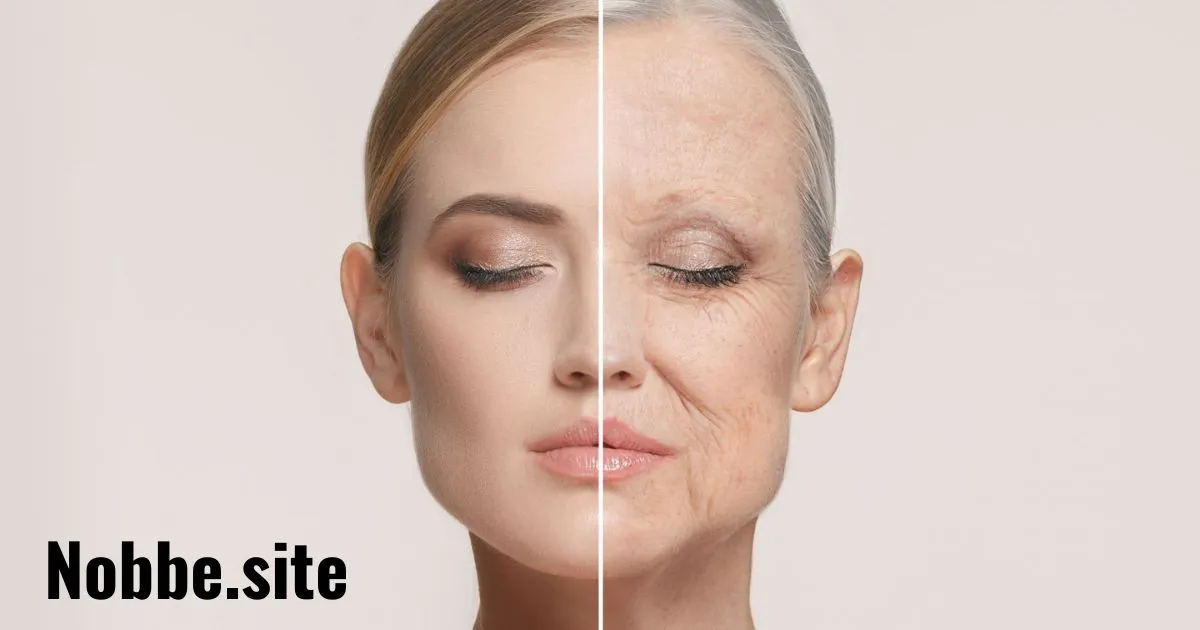
The Impact: Over the years, the skin produces less collagen and elastin, the two structural proteins responsible for keeping skin firm and bouncy. Subcutaneous fat layers just beneath the skin also decrease, leading to wrinkles, fine lines, and drier skin. Hair may thin and change color as pigment cells gradually die.
-
The Graceful Aging Plan: Protect your skin barrier! Wear broad-spectrum sunscreen (SPF 30 or higher) every single day, even when it is cloudy, to prevent photoaging. Hydrate intensely from the inside out by drinking plenty of water, and use a nourishing moisturizer containing hyaluronic acid or ceramides to lock in moisture.
4. Cognitive Health: Keeping the Mind Sharp
It is completely normal to experience minor forgetfulness as you age—such as misplacing your keys or taking a moment longer to recall a specific word.
-
The Impact: Certain parts of the brain shrink slightly over time, and communication between neurons can slow down. However, significant cognitive decline or dementia is not a normal part of aging.
-
The Graceful Aging Plan: Treat your brain like a muscle. Keep it active by learning new skills, solving puzzles, reading books, or picking up a new hobby. Social engagement is also incredibly vital; staying connected with friends, family, and your community keeps cognitive pathways active and wards off feelings of isolation.
5. Metabolism and Digestion: Energy and Nutrients
As we age, our metabolic rate slows down. This means your body burns fewer calories at rest than it did in your twenties.
-
The Impact: A slower metabolism makes it easier to gain weight and harder to lose it. Additionally, the digestive tract can become more sluggish, leading to issues like constipation, and the stomach may produce less acid, slightly lowering the absorption of essential nutrients like Vitamin B12.
-
The Graceful Aging Plan: Focus on nutrient-dense meals rather than high-calorie foods. Fill your plate with high-fiber foods (fruits, vegetables, legumes) to keep your digestion moving smoothly. Speak to your doctor about routine blood work to ensure you don’t need supplements for vitamins like B12 or Vitamin D.
3 Golden Rules for Aging Gracefully
No matter your current age, adopting these three foundational lifestyle habits will dramatically improve your longevity and quality of life:
-
Prioritize Quality Sleep: During deep sleep, your body repairs cellular damage, balances hormones, and consolidates memories. Aim for 7 to 9 hours of uninterrupted sleep per night.
-
Manage Your Stress Levels: Chronic stress releases high amounts of cortisol, a hormone that accelerates cellular aging and causes system-wide inflammation. Practice mindfulness, meditation, or spend time in nature to reset.
-
Schedule Regular Checkups: Prevention is the best medicine. Stay on top of your annual physicals, blood pressure checks, cholesterol screenings, and dental cleanings. Catching potential issues early makes them much easier to manage.
Conclusion: Embrace the Journey
Aging is not something to fear; it is a privilege. While your body will undoubtedly change, you hold the keys to how smoothly that transition happens. By moving your body regularly, feeding it nutritious foods, staying socially connected, and protecting your mental peace, you can ensure that your future years are filled with strength, joy, and vibrant health. Turn your focus toward longevity, and celebrate everything your body is capable of doing today!