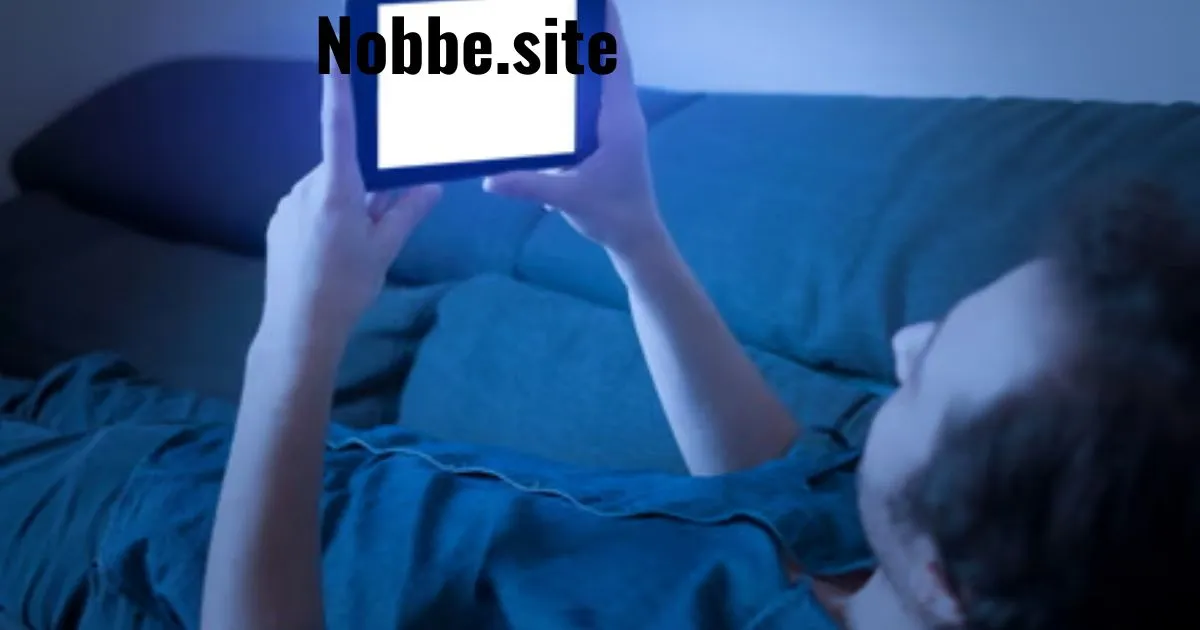
From smartphones and tablets to laptops and television screens, modern life is undeniably digital. On average, adults spend more than 7 to 9 hours a day looking at screens. While this tech-driven lifestyle keeps us connected and productive, it exposes our bodies to an unprecedented amount of artificial blue light.
Natural blue light from the sun is essential during the day because it boosts alertness and elevates mood. However, the concentrated, high-energy visible (HEV) blue light emitted by our devices is a different story. When absorbed in large amounts—especially after dark—it triggers a series of unintended biological consequences.
Here are 7 hidden health risks of blue light emitted by screens that you need to know, along with scientifically proven ways to protect yourself.
1. Disruption of Your Natural Sleep Cycle (Circadian Rhythm)
Perhaps the most well-documented danger of late-night screen time is its destructive impact on your circadian rhythm—your body’s internal 24-hour clock.
Your brain relies on environmental light cues to understand when to sleep and when to wake. Blue light suppresses the production of melatonin, the hormone responsible for inducing deep, restful sleep. When you scroll through social media or answer work emails in bed, your brain is tricked into thinking it is still daytime. This results in delayed sleep onset, poorer sleep quality, and chronic daytime fatigue.
2. Digital Eye Strain and Computer Vision Syndrome
Have you ever experienced blurry vision, dry eyes, or a throbbing headache after a long day at your computer? You are likely suffering from Digital Eye Strain (DES), also known as Computer Vision Syndrome.
Because blue light has short wavelengths and high energy, it scatters more easily than other visible light. This lack of focus creates visual “noise,” reducing contrast and forcing your eye muscles to work significantly harder to focus. Over time, this constant straining leads to physical fatigue, eye redness, and persistent tension headaches.
3. Long-Term Retinal Damage and Macular Degeneration
While digital eye strain is a short-term issue, the long-term structural risks to your eyes are much more alarming.
Laboratory studies suggest that prolonged, direct exposure to high-energy blue light can penetrate deep into the eye, reaching the retina. This can cause oxidative stress in the light-sensitive cells of the retina. Health experts worry that years of unfiltered screen exposure may accelerate age-related macular degeneration (AMD)—a leading cause of permanent vision loss and blindness.
4. Accelerated Skin Aging and Hyperpigmentation
We routinely protect our skin from the sun’s ultraviolet (UV) rays, but evidence shows that the blue light from your phone is aging your face too.
Often referred to as “digital aging,” blue light penetrates deeper into the skin layers than UV rays. It generates free radicals—unstable molecules that break down collagen and elastin, the building blocks of firm, youthful skin. The result? Premature wrinkles, skin sagging, and a worsening of hyperpigmentation conditions like melasma.
5. Increased Risk of Mood Disorders and Depression
The psychological impact of artificial blue light is deeply tied to its disruption of your sleep.
When your circadian rhythm is constantly thrown off balance, it alters your brain’s neurotransmitter chemistry. Clinical studies have shown a direct correlation between high nighttime screen usage and increased rates of anxiety, mood swings, and clinical depression. Without adequate, restorative sleep, the brain cannot effectively process emotions or manage stress.
6. Metabolic Disruption and Weight Gain
It sounds surprising, but your screen habits could be affecting your waistline.
When blue light suppresses melatonin and ruins your sleep quality, it throws two vital appetite-regulating hormones out of balance: leptin (which signals fullness) and ghrelin (which signals hunger). A lack of sleep increases ghrelin and decreases leptin, leading to intense late-night cravings for high-calorie, sugary foods. Over time, this metabolic disruption can elevate your risk of obesity and Type 2 diabetes.
7. Impaired Cognitive Function and Memory Retainment
A brain deprived of proper rest due to blue light exposure simply cannot function at peak capacity.
Deep sleep is the crucial window when your brain clears out metabolic waste and consolidates short-term memories into long-term ones. When blue light cuts your deep sleep cycles short, you are highly likely to experience brain fog, decreased attention span, and difficulty learning or retaining new information the following day.
How to Protect Your Health in a Digital World
You don’t need to completely abandon your digital devices to protect your health. Implementing a few small, deliberate habits can drastically reduce your blue light exposure:
-
The 20-20-20 Rule: Every 20 minutes, look away from your screen at an object 20 feet away for at least 20 seconds to give your eye muscles a rest.
-
Invest in Blue Light Blocking Glasses: Wearing specialized lenses during long work hours filters out harmful HEV wavelengths, minimizing eye strain.
-
Activate “Night Shift” or Dark Mode: Enable the warm-light settings built into your smartphone, tablet, and computer starting at least two hours before bedtime.
-
Create a Digital Buffer Zone: Establish a strict rule to turn off all screens 60 minutes before you go to sleep. Keep devices outside the bedroom if possible.
Conclusion
The convenience of screens is undeniable, but the hidden health risks of blue light are a reality of the modern digital landscape. By taking proactive measures—like shielding your eyes, modifying your device settings, and prioritizing screen-free nights—you can successfully safeguard your eyes, skin, sleep, and long-term well-being.