Starting a fitness journey can feel overwhelming, especially if you think you need a pricey gym membership or an array of expensive dumbbells to see results. The truth is, your own body weight is the most versatile, effective, and accessible piece of fitness equipment you own.
Full-body workouts are incredibly efficient for beginners. By engaging multiple large muscle groups simultaneously, you burn more calories, build functional strength, and improve your cardiovascular health—all in less time.
Here are five science-backed, no-equipment full-body workouts designed specifically for beginners to build a strong foundation.
1. The Dynamic Circuit (Focus: Core and Stamina)
This routine focuses on building core stability and elevating your heart rate without high-impact jumping. It relies on smooth, controlled movements to activate both upper and lower body muscles.
-
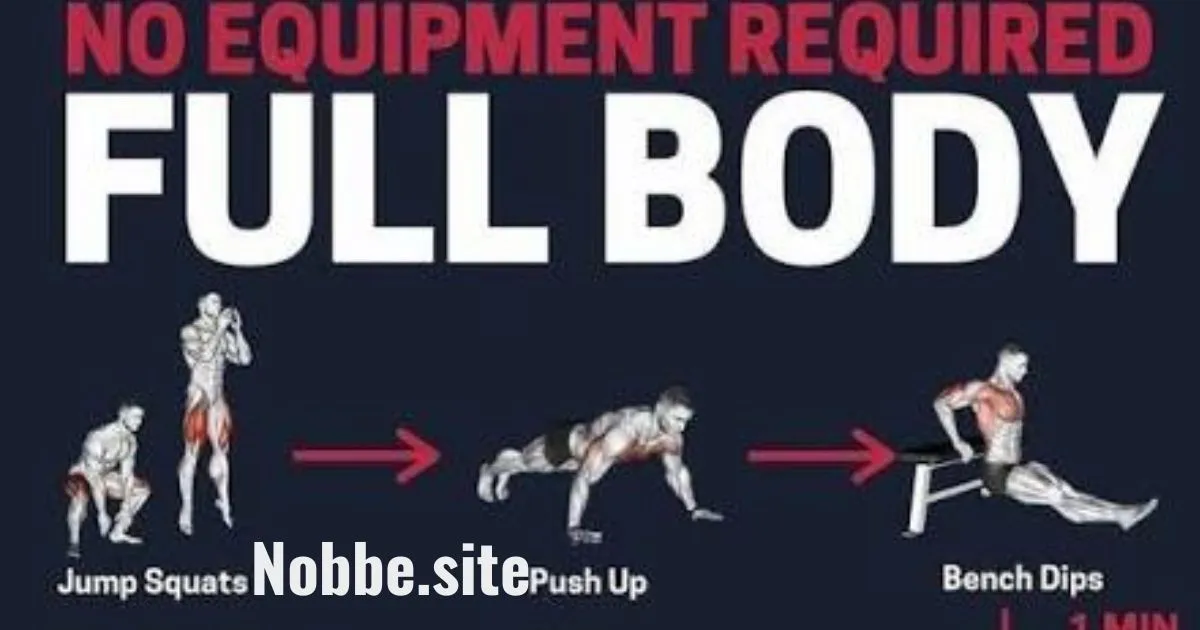
Bodyweight Squats: 10 reps (Targets glutes and quadriceps)
-
Incline Push-Ups: 10 reps (Using a sturdy wall or elevated counter to reduce strain on the shoulders)
-
Reverse Lunges: 8 reps per leg (Improves balance and leg strength)
-
Plank Hold: 20 to 30 seconds (Engages the entire core)
How to perform it: Complete each exercise back-to-back. Rest for 60 seconds at the end of the round. Repeat for a total of 3 rounds.
2. The Slow & Controlled Protocol (Focus: Strength and Control)
Fast workouts are popular, but slowing down your movements increases the time under tension for your muscles. This builds joint stability and deeply activates muscle fibers without needing heavy weights.
-
Tempo Squats: 8 reps (Lower down for 3 seconds, pause for 1 second, stand up quickly)
-
Glute Bridges: 12 reps (Squeeze your glutes tightly at the top of the movement)
-
Good Mornings (Bodyweight): 10 reps (Hinging at the hips to target the hamstrings and lower back)
-
Dead Bug: 8 reps per side (Excellent for deep core activation and coordination)
How to perform it: Focus entirely on your form rather than rushing through the movements. Rest for 45 seconds between exercises. Complete 3 rounds.
3. The 15-Minute AMRAP (Focus: Calorie Burn and Endurance)
AMRAP stands for As Many Rounds As Possible. This workout is time-efficient and allows you to set your own pace, making it perfect for tracking your progress over time.
Set a timer for 15 minutes and complete as many clean rounds as you can of the following:
-
10 Jumping Jacks (Cardio burst)
-
8 Knee Push-Ups (Upper body strength)
-
10 Walking Lunges (Lower body mobility)
-
15-Second Superman Hold (Strengthens the posterior chain and upper back)
Beginner Tip: Do not sacrifice form for speed. If your posture begins to break down, pause, take a deep breath, and resume when you are ready.
4. The Upper-Lower Split Flow (Focus: Posture and Balance)
Many modern lifestyles involve a lot of sitting, which can lead to tight hips and weak upper backs. This routine balances out those patterns by alternating strictly between upper body extension and lower body activation.
-
Bird-Dog: 8 reps per side (Improves balance and stabilizes the spine)
-
Sumo Squats: 12 reps (A wider stance that targets the inner thighs and glutes)
-
Pike Push-Ups (Modified): 6 to 8 reps (Keep your hips high in an inverted V-shape to target the shoulders)
-
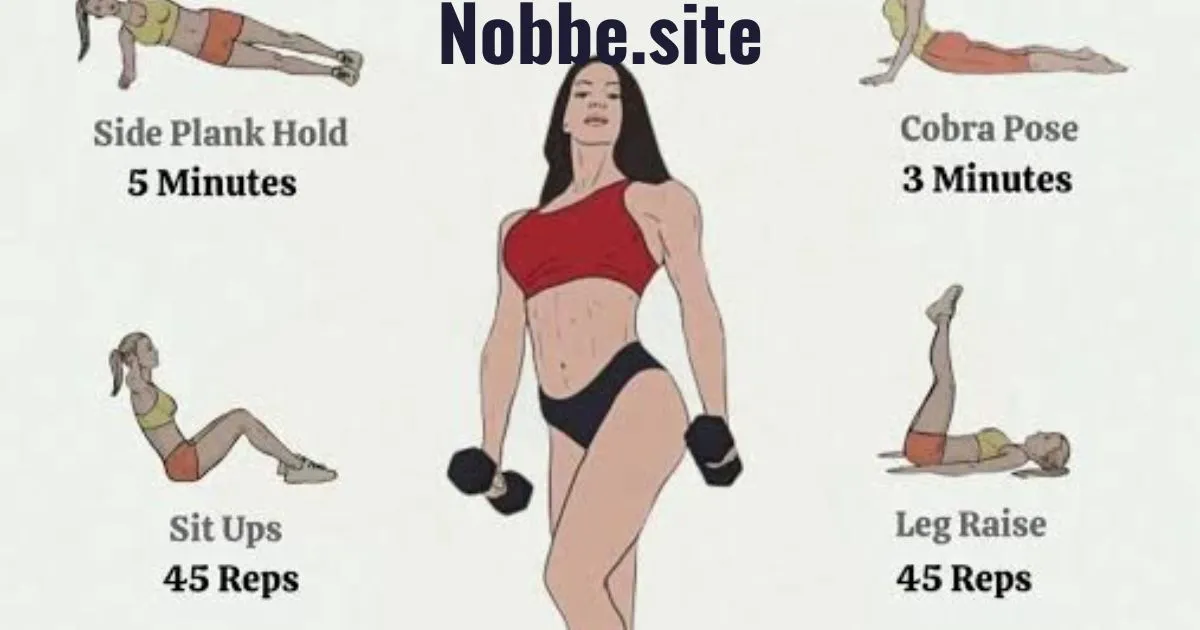
Side Plank: 15 seconds per side (Strengthens the obliques and lateral stability)
How to perform it: Rest for 30 seconds between exercises. Complete 3 to 4 rounds.
5. The Pyramid Pyramid Challenge (Focus: Progressions)
A pyramid workout changes the rep count with every exercise, keeping the mind engaged and progressively challenging different muscle groups as you move down the list.
-
15 Calf Raises (Builds lower leg stability)
-
12 Air Squats (Classic lower body compound movement)
-
10 Wall Slides (Excellent for shoulder mobility and upper back posture)
-
8 Inchworms (Walk your hands out to a plank position, then walk them back to your feet)
-
5 Knee-to-Chest Tucks (Lying flat on your back, bring your knees toward your chest using your lower abs)
How to perform it: Move steadily from the top of the pyramid to the bottom. Rest for 90 seconds, then attempt one more full round.
Essential Safety and Success Tips for Beginners
To get the absolute most out of these routines while protecting your joints, keep these foundational rules in mind:
Always Warm Up and Cool Down
Never jump straight into a workout with cold muscles. Spend 3 to 5 minutes doing light movements like arm circles, gentle torso twists, and marching in place. Afterward, spend a few minutes doing static stretches to help your muscles recover.
Perfect Your Form First
It does not matter how many repetitions you can do if the alignment is incorrect. Keep your spine neutral during planks, ensure your knees stay tracked over your toes during squats, and stop a set early if your lower back begins to arch or ache painfully.
Consistency Beats Intensity
You do not need to finish every workout feeling completely exhausted. Exercising consistently 3 times a week at a moderate effort level will yield far better, more sustainable long-term results than working out intensely once a week and being too sore to move for days.