When it comes to losing weight, the simplest solutions are often the most appealing. Walking requires no expensive gym memberships, no specialized gear, and can be done right outside your front door. But if your primary goal is shedding pounds, is just lace-up-and-go walking truly enough?
To find out, we have to look past fitness fads and dive straight into what exercise science and metabolic research actually say.
The Energy Balance: How Walking Burns Calories
At its core, weight loss is governed by the laws of thermodynamics: you must burn more calories than you consume. Walking is a legitimate form of cardiovascular exercise that increases your daily energy expenditure.
The number of calories you burn while walking depends heavily on three main factors:
-
Body Weight: Heavier individuals burn more calories because it requires more energy to move more mass.
-
Pace: Walking briskly ($3.0$ to $4.0\text{ mph}$) burns significantly more than a casual stroll.
-
Duration: The longer you move, the more total energy you expend.
For context, a person weighing $155\text{ lbs}$ ($70\text{ kg}$) burns roughly $150$ to $175$ calories during a $30$-minute brisk walk. Over a week, daily walks can create a deficit of over $1,000$ calories. While that is excellent for your heart, lungs, and joints, it reveals the first major limitation of relying only on walking for weight loss: the math.
Why Walking Alone Might Fall Short for Weight Loss
While walking is a fantastic tool for health, relying on it as your sole strategy for weight loss presents a few distinct scientific hurdles.
1. The Diet Factor (The “Out-Eating” Trap)
It is incredibly easy to accidentally consume the calories you just burned. Eating a single chocolate chip cookie or drinking a flavored latte can completely wipe out the calorie deficit created by an hour-long walk. Exercise science consistently shows that dietary modifications are the primary driver of weight loss, while exercise acts as the ultimate amplifier.
2. Metabolic Adaptation
As you lose weight, your body becomes smaller and more efficient. A smaller body requires fewer calories to function and move. If you do the exact same walk at the exact same pace every day, your body adapts, and your rate of calorie burning will actually decrease over time.
3. The Lack of Muscle Synthesis
Walking is primarily an aerobic activity. While it tones your lower body legs, it does not build significant muscle mass throughout the body. Muscle tissue is metabolically active—it burns calories even when you are resting. Without resistance training, you miss out on building the “metabolic furnace” that helps keep weight off long-term.
How to Optimize Your Walking Routine for Weight Loss
If walking is your preferred form of exercise, you don’t need to abandon it. Instead, you can use specific, science-backed strategies to turn your daily walk into a highly effective weight-loss tool.
1. Pick Up the Pace (Power Walking & HIIT)
To burn more calories in less time, look into Interval Walking. Instead of maintaining a steady pace, alternate between a moderate stroll and a very fast power walk. Studies show that interval training can boost post-exercise oxygen consumption (EPOC), keeping your metabolism elevated even after you sit down.
2. Add an Incline
Walking uphill or on an inclined treadmill changes the physics of your workout. It activates more muscle groups—specifically your glutes, hamstrings, and calves—and can increase your total calorie burn by $30\%$ to $50\%$ compared to walking on flat ground.
3. Track Your Steps and Consistency
Aiming for the traditional $10,000$ steps a day is a great benchmark, but consistency is what moves the needle. Tracking your steps helps ensure your overall daily movement (NEAT, or Non-Exercise Activity Thermogenesis) stays high, preventing you from naturally lounging around more just because you went for a morning walk.
The Ultimate Verdict: The Hybrid Approach
So, is walking enough to lose weight?
The Scientific Consensus: Walking is an incredibly powerful, sustainable foundation for weight loss, but it works best when paired with a caloric deficit and basic strength training.
If you want the absolute best, most sustainable results, combine your walking routine with these two habits:
-
A Balanced, High-Protein Diet: Focus on whole foods and a slight calorie deficit so your walking efforts aren’t canceled out in the kitchen.
-
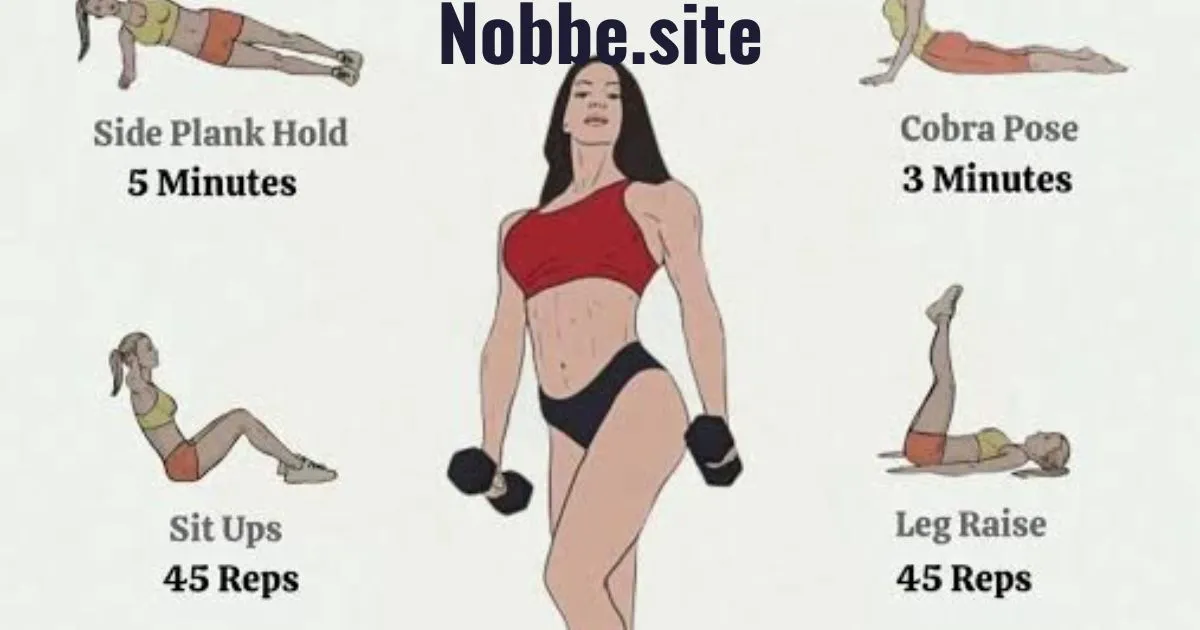
Two Days of Resistance Training: Adding basic bodyweight exercises (like squats, lunges, or push-ups) or lifting weights twice a week preserves your lean muscle mass, ensuring that the weight you lose is pure fat, not muscle.
Walking is absolutely enough to get you started on a healthier path. By making it slightly more challenging and keeping your nutrition in check, it can become the cornerstone of your successful weight loss journey.