For decades, the simple message was: “Got Milk?” It was presented as the ultimate health food—essential for strong bones, growth, and overall vitality. However, if you scroll through social media today, you will find a completely different narrative. From wellness influencers to functional medicine advocates, dairy is frequently labeled as a primary culprit behind inflammation, acne, weight gain, and digestive issues.
This dramatic shift has left millions asking a fundamental question: Is dairy actually bad for you, or is it a nutritional powerhouse?
The truth, as it turns out, isn’t black and white. Let’s dive into the science-backed pros and cons of milk products to help you decide if dairy deserves a place in your diet.
The Nutritional Profile of Dairy
Before looking at the benefits and risks, it helps to understand what a single glass of whole milk brings to the table. Dairy is incredibly nutrient-dense, naturally packed with:
-
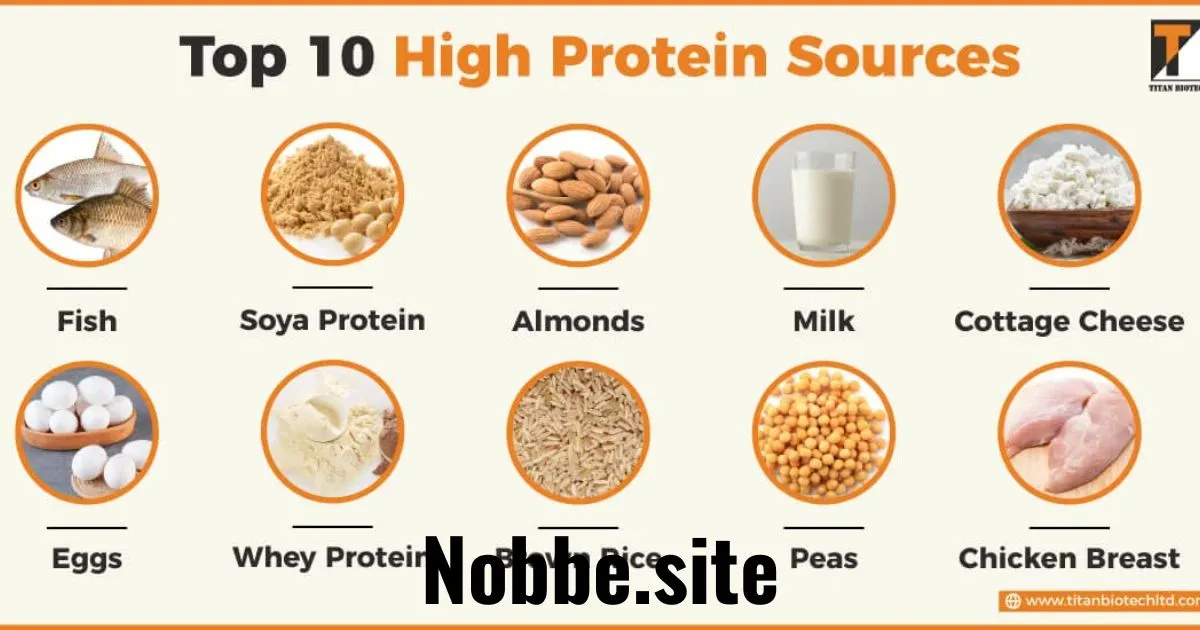
High-Quality Protein: Contains all nine essential amino acids, particularly casein and whey, which support muscle repair.
-
Calcium & Vitamin D: The building blocks of bone density.
-
Micronutrients: Significant amounts of Vitamin B12, riboflavin, potassium, and phosphorus.
The Pros: Why Dairy Can Be Good for You
1. Superior Bone Health and Fracture Prevention
The most robust argument for dairy is its impact on skeletal health. The calcium in milk is highly bioavailable, meaning your body absorbs it easily. When paired with Vitamin D (which most commercial milk is fortified with), dairy consumption helps maximize bone mineral density, reducing the risk of osteoporosis and fractures later in life.
2. Weight Management and Metabolic Health
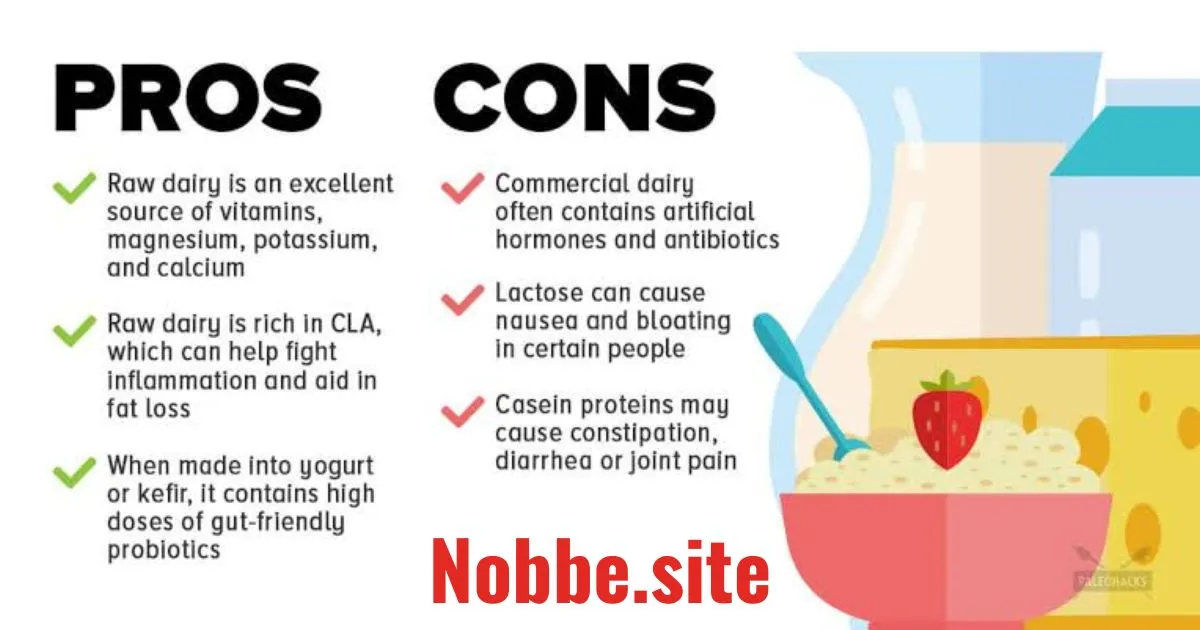
Contrary to the belief that dairy makes you gain weight, studies suggest that inclusion of dairy products—especially fermented ones like yogurt and kefir—can support weight loss. The high protein content increases satiety (the feeling of fullness), which helps prevent overeating. Furthermore, certain dairy fatty acids, like Conjugated Linoleic Acid (CLA), have been linked to improved fat burning.
3. Cardiovascular and Diabetes Benefits
Emerging research is debunking the old myth that full-fat dairy clogs arteries. Recent large-scale observational studies indicate that consuming full-fat dairy products may actually lower the risk of developing stroke, hypertension, and Type 2 diabetes.
The Cons: Why Dairy Might Be Bad for You
1. Lactose Intolerance and Digestive Distress
The most common issue with dairy is lactose intolerance. Approximately 65% of the global human population loses the ability to fully digest lactose—the primary sugar in milk—after infancy. This happens due to a decline in the production of the enzyme lactase.
Common Symptoms of Lactose Intolerance: Bloating, gas, abdominal cramps, and diarrhea occurring 30 minutes to two hours after consuming dairy.
2. Chronic Inflammation and Acne
Many people report that cutting out dairy clears up their skin and reduces joint pain. While the systemic inflammation link is still highly debated in the scientific community, the connection between dairy and acne is clearer. Dairy stimulates the release of Insulin-like Growth Factor 1 (IGF-1), a hormone that can spike sebum production, leading to clogged pores and breakouts.
3. Ethical and Environmental Footprint
For many, the downsides of dairy aren’t strictly nutritional. Dairy farming is a major contributor to global greenhouse gas emissions, land degradation, and heavy water usage. Additionally, concerns regarding industrial factory farming practices push many consumers toward plant-based alternatives.
Dairy Breakdown: A Quick Comparison
Not all dairy products are created equal. How your body processes a glass of skim milk is vastly different from how it processes a bowl of Greek yogurt.
| Dairy Type | Pros | Cons |
| Fermented (Yogurt, Kefir) | Packed with probiotics; excellent for gut health; much lower in lactose. | Often contains high amounts of added sugars in flavored varieties. |
| Aged Cheeses (Parmesan, Cheddar) | High protein and calcium; virtually zero lactose. | High in sodium and saturated fat; easy to overconsume. |
| Conventional Whole Milk | Rich, complete source of fats and vitamins. | Higher lactose content; can trigger acne in sensitive individuals. |
The Verdict: Should You Quit Dairy?
So, is dairy bad for you? No, not inherently.
For the majority of people who can tolerate lactose, dairy is an affordable, convenient, and highly bioavailable source of essential nutrients. It supports bone density, muscle growth, and metabolic health.
However, if you struggle with persistent acne, chronic digestive issues, or sluggishness, experimenting with a 30-day dairy elimination diet could provide valuable insights into your body’s specific sensitivities. If you choose to go dairy-free, simply ensure you swap it for fortified plant milks (like almond, oat, or soy) and eat plenty of leafy greens, nuts, and fish to keep your calcium and protein levels optimized.