When it comes to hitting your fitness goals, what you do in the kitchen matters just as much as what you do in the gym. Whether you are lifting weights, running long distances, or doing high-intensity interval training (HIIT), your body relies on specific nutrients to perform and recover.
Fueling your body correctly can mean the difference between smashing a personal record and hitting a wall mid-workout. Here is a comprehensive guide to the best foods to eat before and after a workout to maximize your results.
Why Timing and Nutrition Matter
Your body requires two primary macro-nutrients around your training window: carbohydrates and protein.
-
Carbohydrates provide the glucose needed to fuel your muscles during high-intensity exercise.
-
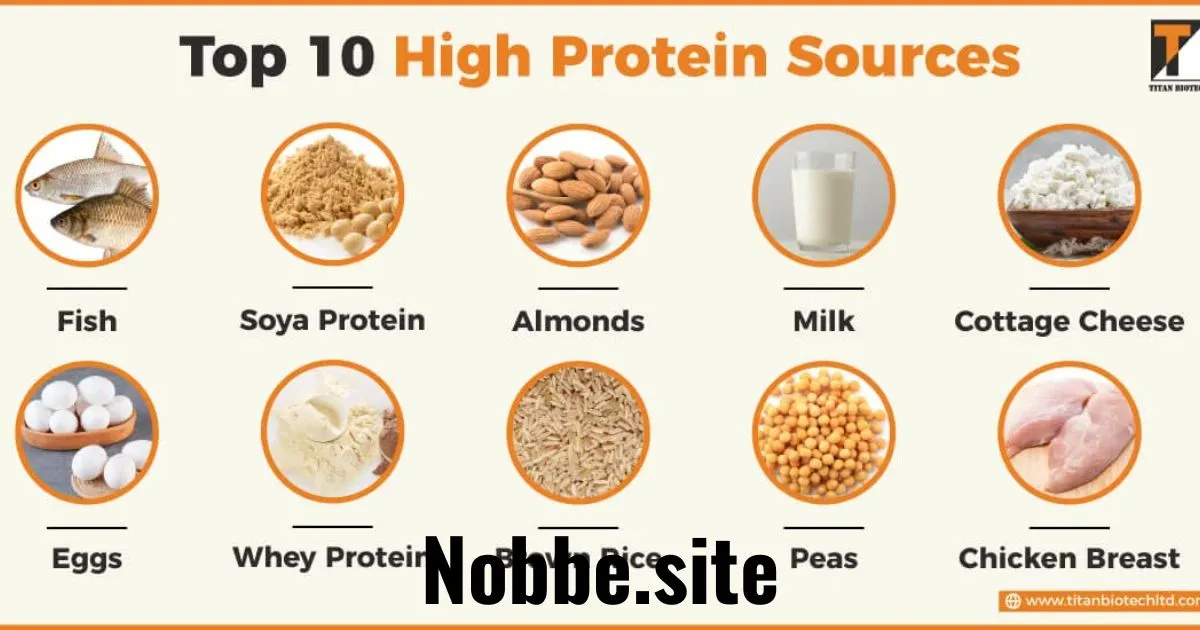
Protein supplies amino acids, which act as building blocks to repair and rebuild muscle tissue damaged during training.
The ideal timing for a full pre-workout meal is 2 to 3 hours before you exercise. However, if you are short on time, a smaller, easily digestible snack 30 to 60 minutes before your session will suffice. Post-workout nutrition should ideally be consumed within 45 minutes to 2 hours after training to kickstart the recovery process.
The Best Foods to Eat Before a Workout
Your primary goal before exercising is to top off your glycogen stores (stored carbohydrates) and ensure you have sustained energy without feeling heavy or bloated.
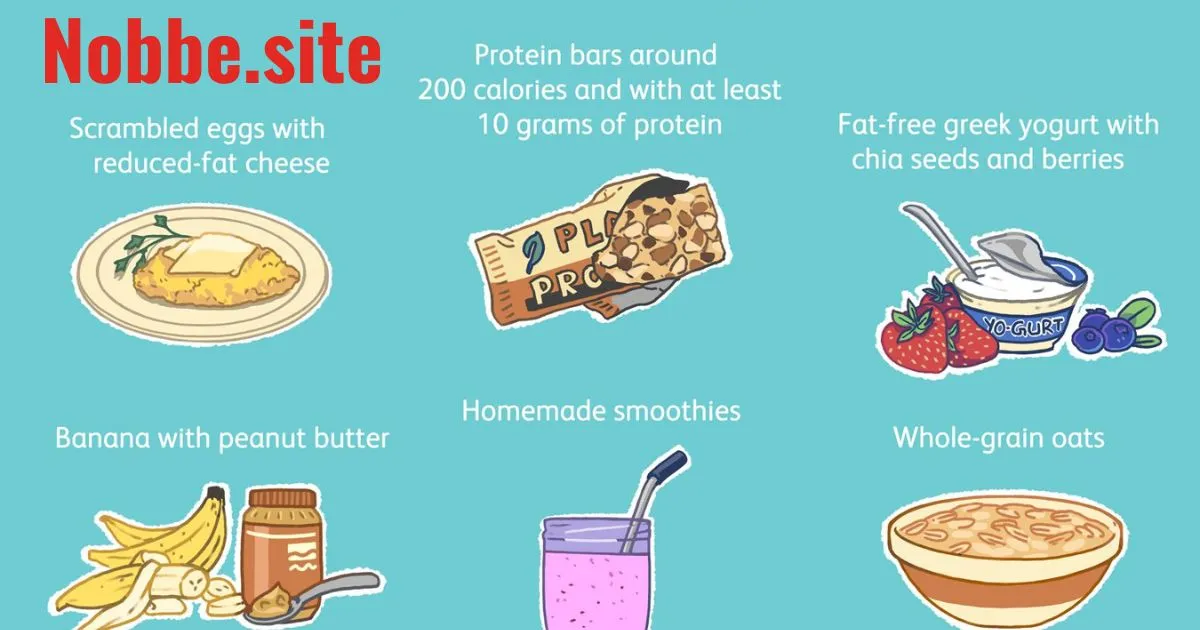
1. Bananas with Peanut Butter
Bananas are famously known as nature’s power bar. They are packed with digestible carbohydrates and rich in potassium, an essential electrolyte that supports nerve and muscle function. Pairing a banana with a tablespoon of peanut butter adds a small amount of healthy fat and protein to stabilize your blood sugar levels throughout your session.
2. Oatmeal with Berries
Oatmeal is a complex carbohydrate that releases glucose slowly into your bloodstream. This prevents sudden energy crashes during long cardio sessions or intense lifting workouts. Toss in a handful of antioxidant-rich blueberries or strawberries for an extra immune boost.
3. Whole-Grain Toast with Sliced Avocado and Egg
If you prefer a savory pre-workout meal, whole-grain toast provides complex carbs, while a hard-boiled or poached egg delivers high-quality protein. Adding a thin layer of avocado provides healthy fats that keep you satiated during longer endurance routines.
The Best Foods to Eat After a Workout
After a grueling workout, your muscles are depleted of glycogen and require repair. Your post-workout meal should focus on a solid mix of fast-absorbing protein and restorative carbohydrates.
1. Grilled Chicken with Sweet Potato and Broccoli
This classic bodybuilding meal is popular for a reason. Grilled chicken breast provides lean, easily absorbed protein to repair muscle tears. Sweet potatoes offer complex carbohydrates to replenish your glycogen stores, while broccoli delivers vital micronutrients to reduce systemic inflammation.
2. Whey Protein Shake with a Rice Cake
If you are on the go and cannot cook a solid meal immediately, a scoop of whey or plant-based protein powder mixed with water or almond milk is highly efficient. Pair it with one or two plain rice cakes to provide fast-acting carbs that spike insulin slightly, driving nutrients straight into your recovering muscle cells.
3. Greek Yogurt with Honey and Fruit
Plain Greek yogurt contains up to twice the amount of protein compared to regular yogurt. Drizzling it with a tablespoon of raw honey and adding sliced fruit gives your body a blend of fast and slow-digesting carbohydrates to optimize recovery.
Pre- and Post-Workout Nutrition at a Glance
| Meal Window | Primary Macro Goal | Best Food Options |
| Pre-Workout (30-60 mins prior) | Easily digestible carbs + light protein | Banana, Oatmeal, Whole-grain toast |
| Post-Workout (Within 2 hours) | High protein + restorative carbs | Chicken and sweet potatoes, Whey protein, Greek yogurt |
Frequently Asked Questions (FAQs)
Should I eat before a morning workout?
It depends on your goals and your digestive system. If you are doing light cardio, fasting may feel fine. However, for strength training or high-intensity workouts, eating a small, carb-heavy snack like a banana 30 minutes before training prevents muscle fatigue and dizziness.
Can I eat fats before a workout?
Keep fat intake minimal directly before a workout. Fats slow down digestion, which means the food will sit in your stomach longer, potentially causing cramping or sluggishness while you train.
How much water should I drink?
Hydration is just as vital as solid food. Aim to drink 16–20 ounces of water 2 hours before exercise, and keep sipping throughout your session. Post-workout, rehydrate with water or an electrolyte drink if you sweated heavily.
Summary: Listen to Your Body
While science gives us clear guidelines on macros, everyone’s digestive system reacts differently. Experiment with these food combinations to find exactly what makes you feel energized, powerful, and ready to conquer your fitness goals.