You are eating clean, hitting the gym, and tracking your calories. Yet, the scale refuse to budge, and your energy levels are crashing by midday. If this sounds familiar, you might not be failing your diet—your food might be failing you.
Many foods marketed as “healthy,” “low-fat,” or “fitness-friendly” are actually packed with hidden sugars, unhealthy fats, and empty calories. These dietary saboteurs slip under the radar, triggering cravings and stalling your weight loss progress.
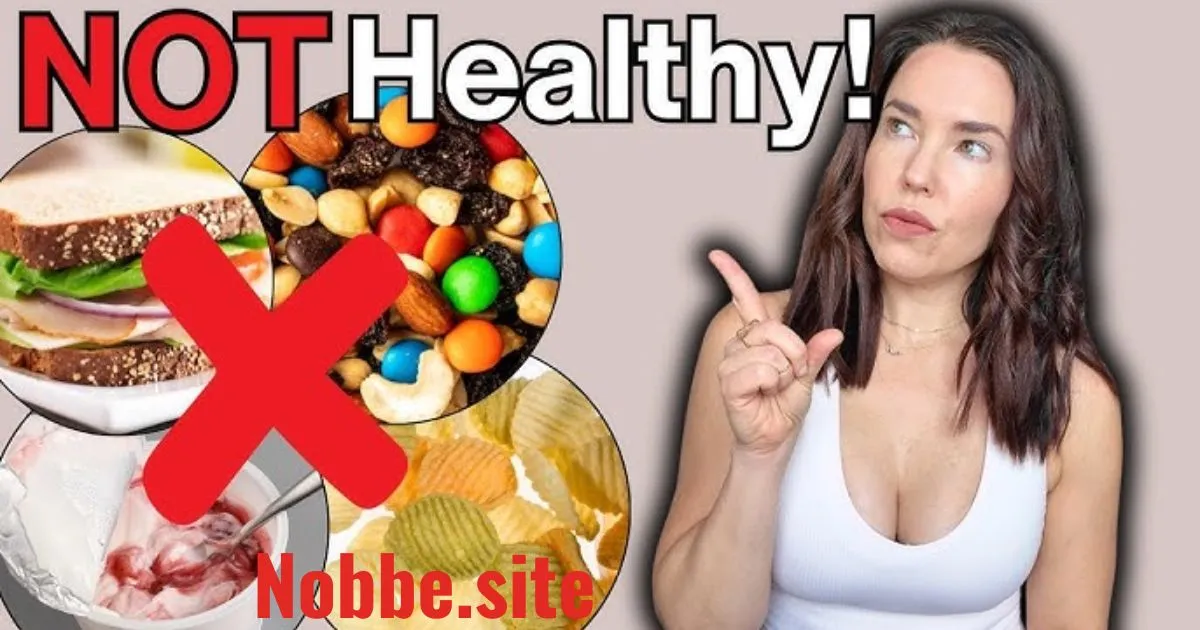
If you want to get your progress back on track, watch out for these 7 sneaky foods that are secretly ruining your diet.
1. Store-Bought Green Juices and Smoothies
Green juices look like health in a bottle, but looks can be deceiving. When fruits and vegetables are commercially juiced, the beneficial fiber is stripped away. This leaves behind a highly concentrated dose of fructose (fruit sugar).
Without fiber to slow down digestion, your blood sugar spikes instantly, forcing your body to secrete insulin and store fat. A single bottle of store-bought green smoothie can contain up to 50 grams of sugar—more than a can of soda.
Healthy Swap: Make your own smoothies at home using whole fruits, plenty of leafy greens, and a protein source like Greek yogurt. Keep the fiber intact.
2. Flavored Low-Fat Yogurts
When food manufacturers remove fat from yogurt to slap a “low-fat” or “diet” label on the packaging, they usually lose the flavor. To fix this, they pump the yogurt full of high-fructose corn syrup, artificial flavors, and thickeners.
A small tub of flavored fruit yogurt can pack up to 20 grams of sugar. Instead of a gut-healthy breakfast, you are essentially eating dessert first thing in the morning.
Healthy Swap: Opt for plain, full-fat Greek yogurt. It contains double the protein and significantly less sugar. You can add sweetness naturally with a handful of fresh berries or a drizzle of raw honey.
3. Granola and Protein Bars
Granola has a fantastic health halo, but most commercial granolas and protein bars are just glorified candy bars. They are bound together using butter, oils, and various forms of sugar (like brown sugar, honey, or maple syrup).
A tiny half-cup serving of granola can easily exceed 300 calories, making it incredibly easy to overeat. Similarly, many meal-replacement protein bars carry massive amounts of sugar alcohols and saturated fats that bloat your stomach and stall fat loss.
4. Commercial Salad Dressings
Salads are the ultimate diet staple, but a bad dressing choice can instantly turn a 200-calorie bowl of fresh greens into a 700-calorie fat bomb.
Store-bought dressings—especially “light,” “creamy,” or “low-fat” options like Ranch, Caesar, or Honey Mustard—are loaded with inflammatory vegetable oils, preservatives, and hidden sugars. Soybean oil, a common base in these dressings, can disrupt metabolic health when consumed in excess.
Diet Sabotage Example:
Plain Garden Salad (200 kcal) + 3 tbsp Creamy Ranch (220 kcal) = 420 kcal
5. Dried Fruit
Dried fruit seems like a convenient, shelf-stable way to get your daily fruit intake. However, removing the water content shrinks the fruit to a fraction of its original size, meaning you lose the volume that helps trigger fullness.
It is easy to eat ten dried apricots in two minutes, but you would struggle to eat ten whole apricots in one sitting. To make matters worse, many commercial brands coat dried fruits in additional refined sugar to enhance the taste.
6. “Veggie” Chips and Straws
Do not let the colorful packaging or pictures of fresh spinach and tomatoes fool you. Most veggie chips are made primarily from potato starch, corn flour, and vegetable powder that has been stripped of all vitamins and fiber during processing.
Once fried in cheap oils, their nutritional profile becomes identical to standard potato chips. They offer zero metabolic benefits and fail to satisfy your hunger, leading to overeating later in the day.
7. Gluten-Free Processed Foods
If you suffer from celiac disease or a genuine gluten sensitivity, avoiding gluten is essential. However, if you are buying gluten-free products solely for weight loss, you might be moving backward.
To mimic the texture of traditional baked goods, gluten-free items like bread, cookies, and crackers often use highly refined starches (like tapioca starch or rice flour). These starches cause higher blood sugar spikes than regular wheat and frequently contain more fat, sugar, and calories to make up for the missing gluten.
How to Protect Your Diet: The Takeaway
The easiest way to stop these sneaky foods from ruining your diet is to become an active label reader. Do not trust the front-of-package marketing buzzwords like “all-natural,” “organic,” or “zero fat.”
Turn the package around and check the Nutrition Facts panel. Look closely at the serving sizes, the total sugar content, and the first three ingredients. If a product contains a long list of chemical additives and added sugars, leave it on the shelf. Prioritizing whole, single-ingredient foods is the ultimate shortcut to sustainable weight loss.