Intermittent fasting (IF) has taken the health and wellness world by storm. While most people jump into fasting for weight loss or metabolic health, two of the most immediate and profound changes occur where you feel them most: your digestion and your daily energy levels.
But what exactly happens to your gut and your brain when you restrict your eating window? Does fasting give you boundless energy, or does it leave you feeling sluggish? Let’s dive into the science of how intermittent fasting transforms your digestive tract and reshapes your daily energy patterns.
The Gut Rest Effect: How IF Impacts Digestion
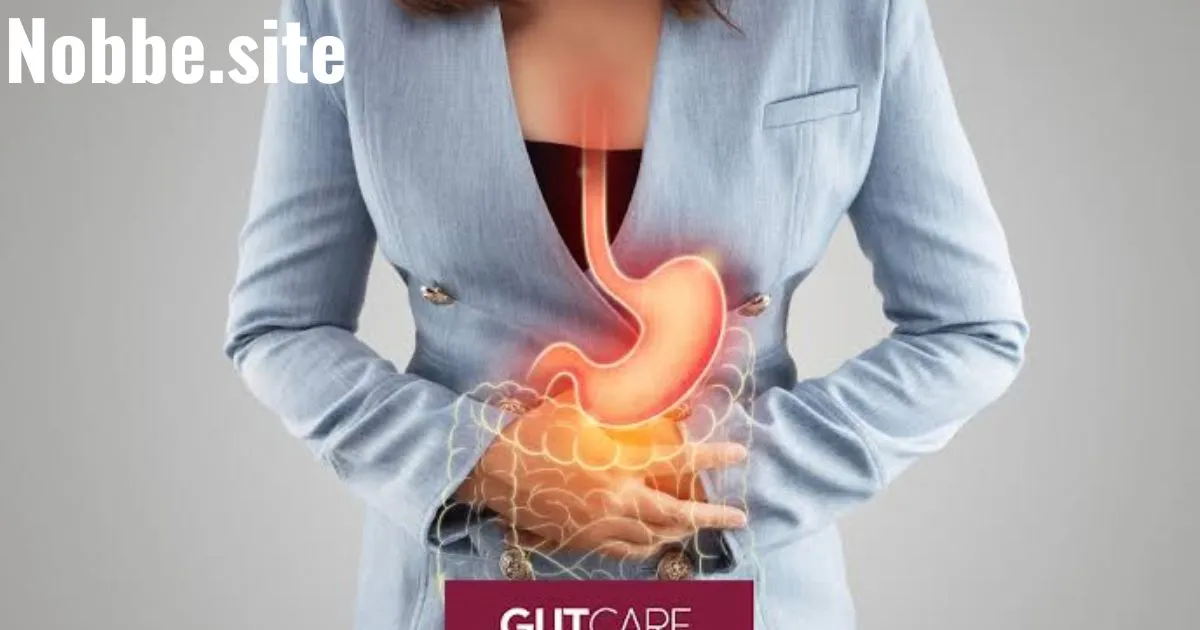
When you eat standard meals and snacks throughout the day, your digestive system is constantly working. Breaking down food, absorbing nutrients, and moving waste requires a massive amount of bodily resources. Intermittent fasting fundamentally changes this dynamic by giving your gut a much-needed break.
1. Activating the Migrating Motor Complex (MMC)
Think of the Migrating Motor Complex (MMC) as your gut’s internal cleaning crew. The MMC is a distinct pattern of electromechanical activity that sweeps through the stomach and small intestine. However, it only activates during periods of fasting (usually starting about 3 to 4 hours after your last meal).
By extending your fasting window, you give the MMC ample time to clear out:
-
Undigested food particles
-
Excess bacteria
-
Cellular debris
This regular “housekeeping” is crucial for preventing conditions like Small Intestinal Bacterial Overgrowth (SIBO) and reducing chronic bloating.
2. Reducing Inflammation and Leaky Gut
Constant eating can trigger a low-grade inflammatory response in the gut lining, especially if your diet contains processed foods. Fasting gives the intestinal epithelial lining time to repair itself. This strengthens the gut barrier, reducing the likelihood of “leaky gut” (intestinal permeability) and calming systematic inflammation.
3. Shifting the Gut Microbiome
Your gut bacteria have circadian rhythms just like you do. Studies show that time-restricted eating patterns help diversify the gut microbiome. Fasting encourages the growth of beneficial bacteria strains like Akkermansia muciniphila, which is closely tied to a healthier gut lining and improved metabolic health.
The Energy Shift: From Glucose to Ketones
The initial fear most people have about fasting is a total energy crash. It makes sense on the surface: food is calories, and calories are energy. However, the human body is incredibly adaptable.
1. The Energy Dip (The Transition Phase)
When you first start intermittent fasting, you might feel a temporary dip in energy, accompanied by brain fog or irritability. This happens because your body is running out of its primary fuel source—glucose stored as glycogen in your liver. Your body is shouting for a quick fix (sugar or carbs), causing that temporary sluggishness.
2. The Breakthrough: Entering Metabolic Flexibility
Once your body adapts—a process that typically takes 3 to 7 days—it unlocks “metabolic flexibility.” This is the ability to seamlessly switch from burning carbohydrates to burning stored body fat for fuel.
During a fast, your liver begins converting fatty acids into ketones. Ketones are an incredibly efficient fuel source, especially for your brain. Unlike glucose, which causes sharp spikes and crashes in energy, ketones provide a steady, clean-burning stream of energy throughout your fasting hours.
3. Enhanced Mental Clarity
Ever notice how you feel sleepy after a massive lunch? That is because your body is redirecting blood flow away from your brain and toward your digestive organs. Because your digestive tract is resting during a fast, that blood flow and energy are preserved. Furthermore, ketones stimulate the production of Brain-Derived Neurotrophic Factor (BDNF), a protein that supports cognitive function, focus, and mental sharpness.
The Pros and Cons: A Quick Reference
While the benefits are substantial, intermittent fasting affects everyone differently.
| Potential Benefits | Possible Downsides (Especially Initially) |
| Deeper, more restorative sleep | Temporary headaches during the transition |
| Significant reduction in daily bloating | Initial acid reflux if breaking the fast too heavily |
| Consistent energy without afternoon crashes | Mild irritability or hunger pangs |
| Improved insulin sensitivity | Potential overeating during the eating window |
How to Fast Safely for Optimal Gut Health and High Energy
To get the absolute best out of your intermittent fasting routine without sacrificing your digestion or crashing your energy, keep these core strategies in mind:
-
Stay On Top of Electrolytes: Fasting lowers insulin levels, which causes your kidneys to excrete more sodium and water. Drink plenty of water and consider adding a pinch of mineral salt or a sugar-free electrolyte powder to maintain nerve and muscle function.
-
Break Your Fast Gently: After 16 or 18 hours of rest, waking up your digestive system with a greasy or heavy carbohydrate meal will shock your gut, causing bloating and an immediate energy crash. Break your fast with lean protein, healthy fats, or cooked vegetables (e.g., bone broth, eggs, or avocado).
-
Listen to Your Body: If you experience severe fatigue, prolonged dizziness, or intense digestive distress, your fasting window might be too long, or your body may need a more gradual transition.
The Bottom Line
Intermittent fasting is much more than a tool for calorie restriction. By giving your digestive system a dedicated window to rest, you clear the path for a healthier microbiome, less bloating, and a cleaner gut lining. Simultaneously, switching your primary fuel source to ketones eliminates the midday sluggishness that plagues so many modern diets.