The shift toward plant-based eating is no longer just a passing fitness trend; it is a global lifestyle movement. Whether you are transitioning to a fully vegan lifestyle, adopting a vegetarian diet, or simply trying to participate in “Meatless Mondays,” one question always comes up: “Where do you get your protein?”
There is a common misconception that plant proteins are inferior or that it is difficult to hit your daily macronutrient targets without meat. In reality, nature offers an abundance of protein-dense foods that not only build muscle and repair tissue but also supply vital fiber, vitamins, and minerals.
This comprehensive guide breaks down the best plant-based protein sources, explains the science behind complete proteins, and shows you how to easily meet your nutritional needs.
Understanding Plant-Based Protein: Complete vs. Incomplete
Before diving into the food list, it is essential to understand how protein works in the body. Proteins are made up of building blocks called amino acids. Your body needs 20 different amino acids to function, nine of which are essential amino acids—meaning your body cannot make them on its own, so you must get them from food.
-
Complete Proteins: These contain all nine essential amino acids in ideal proportions. While animal products are naturally complete, several plant foods are also complete proteins (such as quinoa, soy, and chia seeds).
-
Incomplete Proteins: Most plant foods lack one or two specific essential amino acids. However, you do not need to eat complete proteins at every single meal. As long as you eat a varied diet throughout the day, your body naturally combines the amino acids to create complete proteins.
Top Plant-Based Protein Sources to Add to Your Diet
Let’s look at the highest-yielding plant foods you can incorporate into your daily meals to optimize your protein intake.
1. The Soy Trio: Tofu, Tempeh, and Edamame
Soy products are the crown jewels of plant-based nutrition because they are naturally complete proteins and highly versatile.
-
Tempeh: Made from fermented soybeans, it has a firm, nutty texture. It packs about 20 grams of protein per 3-ounce serving. Because it is fermented, it is also great for gut health.
-
Tofu: Made from soy milk curds, tofu acts like a sponge, absorbing whatever flavors you cook it with. It offers roughly 10 to 15 grams of protein per half-cup.
-
Edamame: These young, green soybeans make a fantastic snack or salad topper, providing 18 grams of protein per cup.
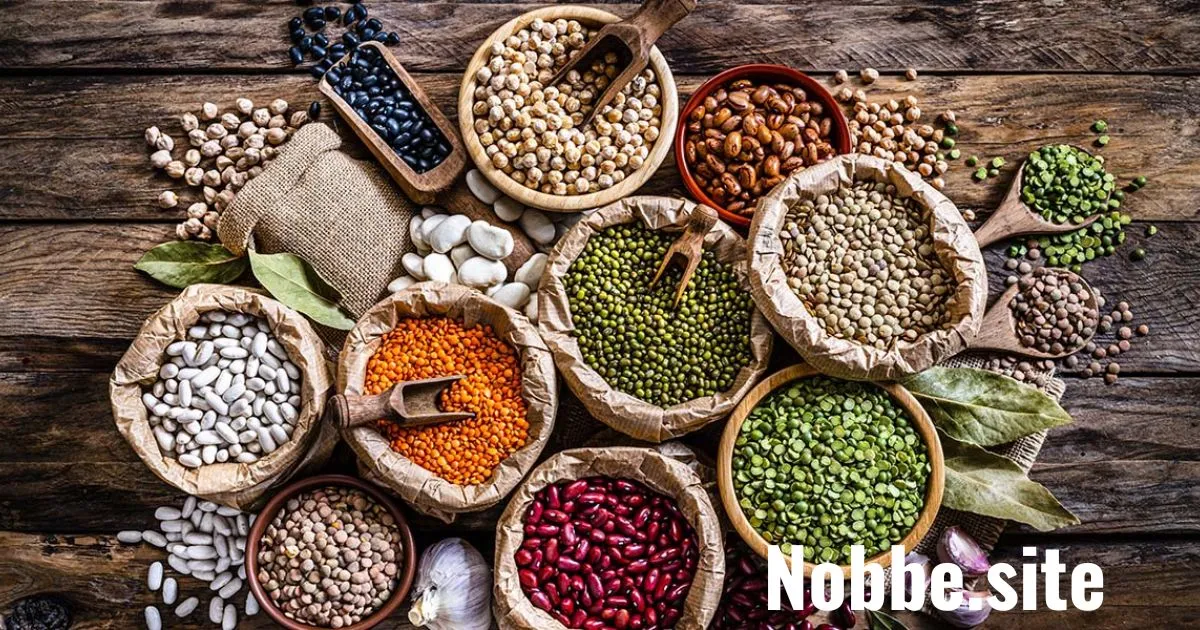
2. Mighty Legumes: Lentils and Beans
Legumes are an affordable, shelf-stable, and incredibly nutritious way to fuel your body.
-
Lentils (Red, Green, and Brown): Lentils are a nutritional powerhouse. A single cooked cup delivers roughly 18 grams of protein alongside 15 grams of dietary fiber, which aids digestion and keeps you full for longer.
-
Chickpeas and Black Beans: Ideal for hummus, stews, or burrito bowls, these beans provide about 15 grams of protein per cooked cup. They are also rich in iron and potassium.
3. Ancient Grains: Seitan and Quinoa
Switching up your grain source can drastically increase your daily protein totals.
-
Seitan (Wheat Gluten): If you are not sensitive to gluten, seitan is the closest plant-based equivalent to meat texture. Made from hydrated wheat gluten, it is an absolute muscle-building favorite, boasting a massive 25 grams of protein per 3 ounces.
-
Quinoa: Unlike wheat or rice, quinoa is a complete protein. It offers 8 grams of protein per cooked cup and is packed with magnesium and antioxidants.
4. Seeds and Nuts: Small but Potent
Don’t underestimate the power of seeds and nuts to elevate your meals.
-
Hemp Seeds: Adding three tablespoons of hemp seeds to a smoothie or oatmeal adds 10 grams of complete protein to your breakfast, along with healthy Omega-3 fatty acids.
-
Chia and Flax Seeds: These provide 5 to 6 grams of protein per two tablespoons and expand in liquid, making them excellent for puddings or as vegan egg substitutes in baking.
-
Nut Butters: Peanut butter and almond butter offer around 7 to 8 grams of protein per two tablespoons.
Quick Comparison: Protein Content at a Glance
| Food Source | Serving Size | Average Protein Content |
| Seitan | 3 oz (85g) | 25 grams |
| Tempeh | 3 oz (85g) | 20 grams |
| Lentils | 1 cup (cooked) | 18 grams |
| Edamame | 1 cup (cooked) | 18 grams |
| Chickpeas | 1 cup (cooked) | 15 grams |
| Tofu | 1/2 cup | 10-15 grams |
| Hemp Seeds | 3 tablespoons | 10 grams |
| Quinoa | 1 cup (cooked) | 8 grams |
Health Benefits of Choosing Plant Proteins
Replacing animal proteins with plant alternatives brings a wide range of documented health benefits:
Heart Health: Plant proteins are naturally free of dietary cholesterol and are much lower in saturated fats than red meat. Studies show this transition significantly lowers the risk of cardiovascular disease.
-
Weight Management: Because beans, lentils, and grains are loaded with dietary fiber, they slow down digestion. This prevents blood sugar spikes and keeps you feeling satisfied, preventing overeating.
-
Lower Inflammation: Plant-based diets are highly alkaline and rich in antioxidants, which help reduce systemic inflammation in the body and speed up muscle recovery after workouts.
Conclusion: Embrace the Variety
Hitting your daily protein goals on a plant-based diet does not require drinking chalky supplement shakes or eating plain tofu every day. By mixing legumes, soy, whole grains, and seeds into your meal plans, you easily provide your body with all the essential amino acids it needs to thrive. Start small by swapping out one meat meal a day, and explore the diverse, flavorful world of plant-powered nutrition!