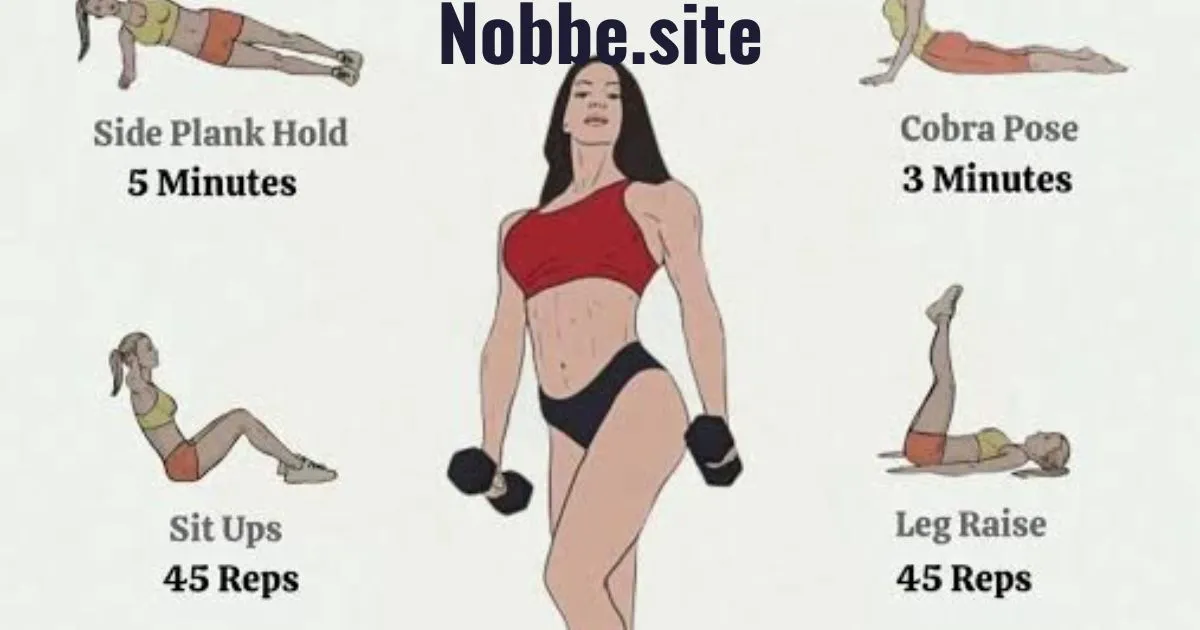
In your 40s, your body undergoes subtle biological shifts. Understanding these changes helps you work with your body rather than fighting against it.
-
Sarcopenia (Muscle Loss): Starting around age 30, adults naturally lose about 3% to 5% of their muscle mass per decade if they aren’t actively training. Less muscle means a slower resting metabolism.
-
Hormonal Shifts: Testosterone levels in men gradually decline, while women enter perimenopause, causing fluctuations in estrogen that can lead to increased visceral (belly) fat storage.
-
Joint and Recovery Changes: The collagen in your tendons and ligaments naturally decreases, meaning your body takes slightly longer to bounce back from intense workouts.
The good news? Smart training can entirely reverse or halt these trends.
1. Focus on Resistance Training (The Non-Negotiable)
If you only have time for one type of exercise, make it weight lifting or bodyweight resistance training. Building muscle is the absolute foundational pillar of over-40 fitness.
Why it Matters
Muscle is highly metabolically active tissue. By lifting weights, you increase your resting metabolic rate, meaning your body burns more calories even when you are sitting at a desk or sleeping. Resistance training also stimulates bone density, protecting you against osteoporosis.
How to Start
-
Frequency: Aim for 2 to 3 total-body strength sessions per week.
-
Compound Movements: Focus on exercises that recruit multiple joints at once, like squats, deadlifts, overhead presses, and rows. These give you the most “bang for your buck.”
-
Progressive Overload: Gradually increase the weight or the number of repetitions over time to keep challenging your muscles safely.
2. Prioritize Cardiovascular Health and Mobility
Cardio keeps your heart young, but it needs to be balanced so you don’t overtax your joints.
Low-Impact Zone 2 Cardio
Instead of pounding the pavement with heavy running every day, focus heavily on “Zone 2” cardiovascular exercise. This is a moderate pace where you can still maintain a conversation but your heart rate is elevated (e.g., brisk walking, cycling, or swimming). Aim for 150 minutes a week to drastically reduce cardiovascular risks and improve stamina.
Mobility and Flexibility
Spend 5 to 10 minutes before every workout doing dynamic stretches (like arm circles and leg swings) and finish with static stretching. Incorporating yoga or dedicated mobility routines will keep your joints lubricated and prevent injuries that could set your fitness goals back by months.
3. Revamp Your Nutrition Matrix
You can’t out-train a poor diet—especially in your 40s when your metabolic margin for error shrinks.
Prioritize Protein
To build or even maintain muscle, your protein intake must increase. Aim for roughly 0.7 to 1.0 grams of protein per pound of target body weight. Excellent sources include chicken breast, fish, eggs, tofu, Greek yogurt, and lean beef.
Eat Whole, Anti-Inflammatory Foods
Focus your meals around whole foods that fight systemic inflammation:
-
Healthy Fats: Avocado, olive oil, and nuts support hormone production.
-
Complex Carbohydrates: Sweet potatoes, oats, and quinoa provide sustained energy without crashing your blood sugar.
-
Leafy Greens & Berries: Packed with antioxidants to assist with cellular repair and recovery.
4. Master the Art of Recovery
In your 20s, you might have gotten away with four hours of sleep and a junk-food meal before hitting the gym. In your 40s, recovery is where the actual progress happens.
The Recovery Rule: Your muscles don’t grow while you are lifting weights; they grow while you are resting and repairing.
Sleep is Your Superpower
Aim for 7 to 9 hours of quality sleep per night. Growth hormone—the crucial hormone responsible for muscle tissue repair and fat burning—peaks during deep sleep.
Manage Stress
High chronic stress triggers the release of cortisol, a hormone that actively encourages your body to store belly fat and break down muscle tissue. Incorporate breathwork, meditation, or simple outdoor walks to keep stress in check.
Your Sample Weekly Schedule
Here is a balanced, highly sustainable template to get you moving:
| Day | Workout Focus |
| Monday | Full Body Strength Training (45 mins) |
| Tuesday | Low-Impact Zone 2 Cardio (Brisk Walk/Bike) + Mobility |
| Wednesday | Active Recovery (Light yoga or stretching) |
| Thursday | Full Body Strength Training (45 mins) |
| Friday | Low-Impact Zone 2 Cardio or Swimming |
| Saturday | Fun Activity (Hiking, sports, or family bike ride) |
| Sunday | Full Rest Day |
Summary Checklist for Success
-
Be Consistent, Not Intense: A moderate workout done 3 times a week for a year beats an extreme workout routine that causes you to burn out or injure yourself in two weeks.
-
Track Your Progress: Keep a log of your weights and how your energy levels feel rather than obsessing daily over the scale.
-
Consult a Professional: If you haven’t exercised in years, a check-up with your doctor or a few sessions with a certified personal trainer can ensure you start safely.
Your 40s can be the decade where you build a strong, resilient, and highly capable body. Start small, focus on nutrition and strength, and let consistency do the heavy lifting!