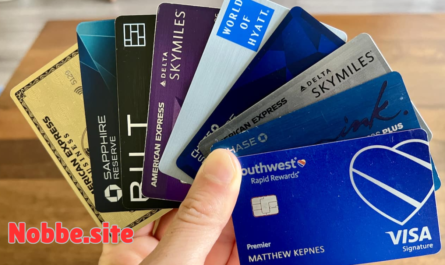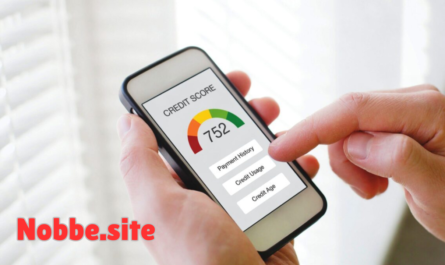
Credit cards are a convenient way to pay for everyday purchases, but if you occasionally carry a balance from month to month, choosing a low-interest credit card can save you a significant amount of money. While rewards and welcome bonuses often grab the headlines, the Annual Percentage Rate (APR) becomes much more important when interest charges come into play.


In 2026, many banks offer low-interest credit cards designed for people who want affordable borrowing, flexible repayment options, and useful everyday benefits. Whether you’re buying groceries, filling up your gas tank, shopping online, or covering unexpected expenses, the right low-interest card can reduce financing costs while helping you build a strong credit history.
This comprehensive guide explains how low-interest credit cards work, their advantages, important features to compare, and how to choose the best card for your everyday spending.
What Is a Low-Interest Credit Card?
A low-interest credit card offers a lower Annual Percentage Rate (APR) than many standard credit cards. The APR determines how much interest you’ll pay if you carry a balance beyond your payment due date.
Unlike rewards-focused cards that often have higher interest rates, low-interest cards prioritize affordable borrowing. They are ideal for consumers who may occasionally need extra time to repay purchases without paying excessive interest.
Why Choose a Low-Interest Credit Card?
A lower interest rate can make a noticeable difference if you don’t always pay your balance in full.
Benefits include:
- Lower monthly interest charges
- Reduced borrowing costs
- Easier debt repayment
- Better cash flow management
- More affordable financing for unexpected expenses
- Opportunity to build credit responsibly
For individuals who occasionally carry a balance, these savings can add up over time.
Quick Comparison: Low-Interest vs Standard Credit Cards
| Feature | Low-Interest Credit Card | Standard Rewards Card |
|---|---|---|
| Interest Rate (APR) | Lower | Usually Higher |
| Annual Fee | Often Low or None | Varies |
| Best For | Carrying Occasional Balances | Paying in Full Each Month |
| Rewards | Basic to Moderate | Higher Rewards |
| Borrowing Cost | Lower | Higher |
| Long-Term Savings | Better | Depends on Payment Habits |
Who Should Consider a Low-Interest Credit Card?
A low-interest credit card may be the right choice if you:
- Occasionally carry a balance
- Want to reduce interest costs
- Prefer lower borrowing expenses over premium rewards
- Are paying off existing debt
- Need flexibility for unexpected purchases
- Value financial stability over luxury travel perks
However, if you always pay your statement balance in full, a rewards-focused card may provide greater overall value.
Key Features to Look For
When comparing low-interest credit cards, don’t focus solely on the advertised APR. Evaluate the complete package.
| Feature | Why It Matters |
| Low Ongoing APR | Reduces long-term borrowing costs |
| Introductory APR Offer | Saves money on new purchases or balance transfers |
| No Annual Fee | Keeps yearly costs low |
| Grace Period | Avoid interest by paying on time |
| Cashback Rewards | Earn value on everyday purchases |
| Mobile Banking | Easy account management |
| Fraud Protection | Enhanced security |
| Credit Limit Reviews | Potential for higher limits over time |
Everyday Purchases That Benefit Most
Low-interest cards are especially useful for common household expenses.
| Spending Category | Why It Matters |
| Groceries | Regular monthly expense |
| Gas & Fuel | Frequent purchases |
| Dining | Ongoing spending |
| Utility Bills | Predictable monthly payments |
| Online Shopping | Everyday convenience |
| Medical Expenses | Helps manage unexpected costs |
| Home Essentials | Flexible repayment if needed |
Using your card responsibly for routine purchases can also help establish a positive payment history.
Understanding APR
APR stands for Annual Percentage Rate, representing the yearly cost of borrowing if you carry a balance.
| APR Range | General Rating |
| Below 15% | Excellent |
| 15%–19% | Good |
| 20%–24% | Average |
| Above 24% | High |
Even a small difference in APR can lead to meaningful savings over time if you maintain a balance.
Low-Interest Cards vs Cashback Cards
Many people struggle to decide between lower interest and higher rewards.
| Feature | Low-Interest Card | Cashback Card |
| Best for Carrying Balance | ✅ Excellent | ❌ Less Suitable |
| Interest Charges | Lower | Higher |
| Rewards | Moderate | Higher |
| Annual Fees | Usually Lower | Varies |
| Everyday Spending | Very Good | Excellent if Paid in Full |
If you regularly pay your balance in full, cashback rewards may outweigh a lower APR. If you occasionally carry a balance, a low-interest card can provide greater overall savings.
How Much Can a Lower APR Save?
Consider two credit cards with different interest rates.
| Card | APR | Average Balance |
| Card A | 14% | $2,000 |
| Card B | 24% | $2,000 |
Over time, the lower APR can significantly reduce the total amount paid in interest, helping you repay debt faster and save money.
Tips for Using a Low-Interest Credit Card Wisely
Pay More Than the Minimum
Paying only the minimum amount due extends repayment and increases total interest paid.
Whenever possible:
- Pay your full statement balance.
- If that’s not possible, pay more than the minimum.
- Reduce high balances as quickly as your budget allows.
Keep Credit Utilization Low
Aim to use less than 30% of your available credit limit.
Example:
| Credit Limit | Recommended Maximum Balance |
| $1,000 | Under $300 |
| $2,000 | Under $600 |
| $5,000 | Under $1,500 |
Lower utilization can contribute to a healthier credit score.
Avoid Late Payments
Even with a low-interest card, missing payments can result in:
- Late fees
- Penalty APRs (if applicable)
- Credit score damage
Setting up automatic payments or reminders can help you stay on track.
Review Your Statements
Checking your monthly statements helps you:
- Detect fraudulent transactions
- Track spending habits
- Monitor interest charges
- Identify recurring subscriptions
Regular account reviews support better financial management.
Common Mistakes to Avoid
| Mistake | Potential Consequence |
| Focusing Only on APR | Missing valuable features |
| Carrying Large Balances | Higher interest costs over time |
| Missing Payments | Credit score damage and possible fees |
| Ignoring Annual Fees | Reduced overall value |
| Overspending | Increased debt |
| Not Comparing Multiple Cards | Missing better offers |
How to Choose the Best Low-Interest Credit Card
Before applying, compare these factors carefully:
- Ongoing APR
- Introductory APR offers
- Annual fees
- Balance transfer options
- Rewards program
- Foreign transaction fees
- Mobile banking features
- Customer service quality
- Fraud protection
- Credit score requirements
Choosing a card that matches both your spending habits and repayment strategy will provide the greatest long-term value.
Frequently Asked Questions (FAQs)
What is a low-interest credit card?
A low-interest credit card is designed with a lower Annual Percentage Rate (APR), helping reduce interest costs for cardholders who carry a balance from month to month.
Are low-interest credit cards better than rewards cards?
It depends on your payment habits. If you frequently carry a balance, a low-interest card can save you more money. If you consistently pay your balance in full, a rewards card may offer greater overall value through cashback or travel benefits.
Can I still earn rewards with a low-interest credit card?
Yes. Some low-interest credit cards also offer modest rewards, such as cashback on groceries, fuel, or dining. However, these rewards are often less generous than those on premium rewards cards.
Do low-interest cards help improve my credit score?
Yes. Like any credit card, responsible use—such as making on-time payments and keeping your credit utilization low—can help build a positive credit history.
Should I choose a card with no annual fee?
If the benefits of a card don’t clearly outweigh its annual fee, a no-annual-fee option is often the better choice, especially for everyday spending.
Final Thoughts
The best low-interest credit cards for everyday spending combine affordable borrowing costs with practical features such as no annual fees, fraud protection, convenient mobile banking, and useful rewards. While a low APR can significantly reduce interest expenses if you occasionally carry a balance, responsible credit card habits remain the most effective way to save money.
Before choosing a card, compare the APR, annual fees, introductory offers, and additional benefits. Most importantly, select a credit card that aligns with your financial goals and spending habits. By paying on time, managing your balance carefully, and using your card wisely, you can enjoy greater financial flexibility while keeping borrowing costs under control.